
Stephanie Greene
LISWSouth Carolina · 20 yrs exp
Licensed Independent Social Worker - Midlife concerns
Stress, Anxiety · Relationship · Eating · Self esteem · +10 more
Read profileA directory of US counselors who list midlife among their focus areas
Need help now? 988Therapist listings come from BetterHelp. We will earn a commission at no extra cost to you if you use our links to buy.
Welcome to our directory of online therapists serving South Carolina. All therapists listed here are licensed to practice in their fields and offer teletherapy options. Explore the profiles below to find counselors who match your needs and approach.
South Carolina · 20 yrs exp
Licensed Independent Social Worker - Midlife concerns
Stress, Anxiety · Relationship · Eating · Self esteem · +10 more
Read profile
South Carolina · 9 yrs exp
Dr. Sommer Garrett LPC - Stress and Trauma
Stress, Anxiety · Family · Trauma and abuse · Grief · +13 more
Read profile
South Carolina · 16 yrs exp
LMFT - Relationships and Life Changes
Stress, Anxiety · Relationship · Family · Parenting · +14 more
Read profile
South Carolina · 14 yrs exp
LPC in South Carolina - Midlife and life changes
Stress, Anxiety · Trauma and abuse · Self esteem · Depression · +1 more
Read profile
South Carolina · 8 yrs exp
LCSW and LISW-CP - stress and trauma focused
Stress, Anxiety · LGBT · Trauma and abuse · Anger · +15 more
Read profile
South Carolina · 8 yrs exp
Licensed Professional Counselor - Midlife concerns
Stress, Anxiety · Relationship · Family · Coping with life changes · +11 more
Read profile
South Carolina · 9 yrs exp
South Carolina LISW-CP - Midlife concerns and coping
Stress, Anxiety · Relationship · Grief · Anger · +8 more
Read profile
South Carolina · 9 yrs exp
LPC counselor - midlife stress and relationship issues
Stress, Anxiety · Trauma and abuse · Grief · Depression · +16 more
Read profile
South Carolina · 25 yrs exp
LPC counselor - Midlife and life changes
Addictions · Relationship · Grief · Self esteem · +9 more
Read profile
South Carolina · 16 yrs exp
Licensed social worker - Midlife and mood concerns
Stress, Anxiety · Relationship · Family · Self esteem · +10 more
Read profile
South Carolina · 10 yrs exp
Licensed Professional Counselor - Midlife concerns and addictions
Stress, Anxiety · Addictions · Grief · Depression
Read profile
South Carolina · 15 yrs exp
Licensed Professional Counselor - Stress and Addictions
Stress, Anxiety · Addictions · Trauma and abuse · Grief · +12 more
Read profile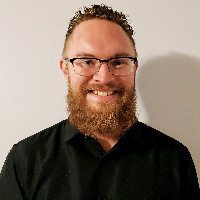
South Carolina · 10 yrs exp
Licensed Professional Counselor - Relationships and Addictions
Stress, Anxiety · Addictions · Relationship · Depression · +10 more
Read profile
South Carolina · 14 yrs exp
LISW-CP in South Carolina - Midlife concerns and families
Stress, Anxiety · Relationship · Parenting · Depression · +1 more
Read profile
South Carolina · 20 yrs exp
LPC - Stress and life changes
Stress, Anxiety · Relationship · Trauma and abuse · Anger · +11 more
Read profile
South Carolina · 40 yrs exp
Licensed Professional Counselor - Midlife and mood concerns
Stress, Anxiety · Intimacy-related issues · Self esteem · Depression · +1 more
Read profile
South Carolina · 9 yrs exp
LPC counselor - stress and relationship support
Stress, Anxiety · Relationship · Trauma and abuse · Self esteem · +13 more
Read profile
South Carolina · 6 yrs exp
Licensed Professional Counselor - Midlife concerns and transitions
Stress, Anxiety · Family · Trauma and abuse · Anger · +14 more
Read profile
South Carolina · 25 yrs exp
Licensed Professional Counselor - Midlife concerns and addictions
Stress, Anxiety · Addictions · Depression · Coping with life changes · +10 more
Read profile
South Carolina · 20 yrs exp
LCSW LISW - Midlife transitions and relationships
Stress, Anxiety · LGBT · Relationship · Family · +6 more
Read profile
South Carolina · 10 yrs exp
Licensed Professional Counselor - Stress and Addiction
Stress, Anxiety · Addictions · Trauma and abuse · Self esteem · +1 more
Read profile
South Carolina · 5 yrs exp
LPC counselor - Stress and life changes
Stress, Anxiety · Trauma and abuse · Self esteem · Depression · +1 more
Read profile
South Carolina · 21 yrs exp
Licensed counselor - Relationships and life changes
Relationship · Grief · Parenting · Depression · +14 more
Read profile
South Carolina · 8 yrs exp
Licensed Professional Counselor - Stress and Relationships
Stress, Anxiety · Relationship · Self esteem · Depression · +10 more
Read profileOnline therapy has become a widely used option for people in South Carolina seeking emotional support, counseling for life changes, or assistance with relationship and mood concerns. In recent years the state has clarified rules and guidance about delivering services remotely so that you can often work with a licensed clinician from your home or another convenient location. Depending on your situation, therapists in this directory may offer video sessions, phone counseling, or asynchronous messaging, and many list a range of therapeutic approaches they use with adult clients. If you live in a rural part of the state or have a demanding schedule, online sessions can reduce travel time and make it easier to connect with a clinician whose style and specialties match what you need.
When you use online therapy, the care you receive is governed by the same professional standards and licensing requirements that apply to in-person practice. That means therapists are expected to follow state rules about ethics, record keeping, and professional conduct. The technical platform a therapist uses may vary, and some therapists include information in their profiles about the methods and tools they use for remote sessions. As you explore profiles, you will see descriptions of approaches, focus areas, credentials, languages, and years of experience so you can find a fit based on what matters most to you.
For many people in South Carolina, online therapy removes barriers that previously made regular counseling difficult. You can save commute time, avoid traffic in and around urban centers, and arrange sessions around family or work commitments. For caregivers, people with mobility limitations, and those juggling multiple obligations, the ability to meet with a therapist from your own environment can make it easier to establish a consistent routine of care. You may also find greater access to clinicians who list specialized experience or who speak a language you prefer, because geography is less of a constraint with virtual visits.
Online therapy can make it simpler to try different therapeutic styles until you find one that resonates with you. Therapists in South Carolina use a variety of approaches; some list cognitive behavioral therapy, acceptance and commitment therapy, psychodynamic approaches, or other methods among their approaches. If you prefer a therapist who integrates mindfulness practices or who emphasizes pragmatic coping strategies for midlife change, you can search profiles to identify clinicians who describe those interests. While online care is not the same as in-person work for every issue or person, many find the convenience and flexibility an important advantage.
Online therapists in the state commonly work with people facing life transitions, stress, anxiety, depression, relationship tensions, grief, and adjustment to health changes. Midlife concerns are frequent topics for those seeking counseling; you may be navigating career shifts, changing family roles, caregiving responsibilities, or questions about purpose and identity. Therapists also often work with couples on communication and conflict, with individuals coping with trauma histories, and with people seeking support for sleep difficulties, anger management, or parenting stress.
If you have a specific concern, you will likely find therapists who list that focus in their profile descriptions. Some profiles list modalities such as trauma-focused approaches, mindfulness, or strengths-based work, but remember that a listing reflects the approaches a clinician uses, not a certification. When you read profiles, pay attention to descriptions of the populations a therapist commonly works with - for example midlife adults, parents, or older adults - as well as any mention of collaborative or short-term models if you are looking for goal-focused work. If your needs involve complex medical or psychiatric issues, online therapy can still offer valuable support, but you may also want coordinated care with medical providers or local resources in South Carolina when appropriate.
Verifying that a therapist holds an active license in South Carolina is an important step before beginning work together. Each profession has a state licensing board that you can contact or search online to confirm license status and view public records. Typical license types you will encounter include Licensed Professional Counselor (LPC), Licensed Clinical Social Worker (LCSW), Licensed Marriage and Family Therapist (LMFT), and licensed psychologists with doctoral degrees. The licensing board's website will allow you to look up a clinician by name or license number to confirm status, see expiration dates, and view any public disciplinary history.
When you check a license record, note the exact license title and whether the license authorizes independent practice in South Carolina. If a therapist lists multiple credentials or practices across state lines, confirm which licenses are active and in which jurisdictions the clinician is authorized to provide services. Licensing boards can also answer questions by phone about what the license permits and the scope of practice. Doing this verification helps you confirm that the clinician is held to the state's ethics and practice standards and gives you peace of mind that the professional meets state requirements for practice.
Begin by clarifying what you want from therapy. You might write a few sentences about the main issue you want support with and any practical constraints like preferred session times. When you review therapist profiles on this site, look for descriptions that resonate with your goals and life stage. Profiles typically include information about focus areas, approaches, professional background, and languages spoken. You can reach out to clinicians through the contact methods provided in their listings to ask brief questions about their approach or how they typically work with clients who have concerns like yours.
As you compare profiles, consider how each clinician describes their work rather than assuming that certain techniques are guaranteed. If a therapist lists a particular method among their approaches, you can ask how they apply that method in therapy and what a typical session looks like. Ask about practical matters that matter to you - session length, how they manage documentation, and what to expect for homework or between-session activities. If insurance reimbursement or cost is a factor, inquire about payment methods, sliding scale options, and whether the clinician provides a receipt you can submit to your insurer. Also consider whether the therapist's stated client population aligns with your needs, such as experience with midlife transitions, caregiving stress, or relationship counseling.
To have a productive online session, make sure you have a reliable internet connection and a device with camera and audio capabilities. Test the platform ahead of your first appointment if the clinician uses video conferencing software, and choose a comfortable environment where you can speak without unexpected interruptions. If you are concerned about boundaries with work or family members, pick a place where you can maintain privacy and focus. Therapists will typically explain how they handle notes and records, and you can ask about any additional steps they take to protect your information under applicable state and federal rules.
Moving forward with online therapy in South Carolina can be straightforward when you take a few preparatory steps. Clarify your goals, verify licensure, ask about approaches and logistics, and choose a clinician whose style and specialties align with your needs. With thoughtful selection and realistic expectations about the online format, you can find a therapeutic relationship that supports your goals through midlife and beyond. Use the listings in this directory to learn more about clinicians who work with South Carolina residents and reach out to begin a conversation about what the first steps might look like for you.
Addictions
2495 therapists
Anger
2939 therapists
Cancer
1024 therapists
Chronic Illness
1546 therapists
Depression
4115 therapists
Grief
3321 therapists
Guilt and Shame
3875 therapists
Intimacy Issues
2491 therapists
Isolation / Loneliness
3759 therapists
Mood Disorders
3146 therapists
Self Esteem
4049 therapists
Sleeping Disorders
1352 therapists
Stress & Anxiety
4488 therapists
Trauma and Abuse
3520 therapists
Aging and Geriatric Issues
2119 therapists
Blended Family Issues
2522 therapists
Body Image
2063 therapists
Career
2833 therapists
Caregiver Issues and Stress
3146 therapists
Coaching
1763 therapists
Codependency
2903 therapists
Communication Problems
4090 therapists
Compassion Fatigue
2466 therapists
Coping with Life Changes
3896 therapists
Divorce
3478 therapists
Family
3376 therapists
Family of Origin Issues
2629 therapists
Forgiveness
3746 therapists
Hospice and End-of-Life Counseling
1331 therapists
Infidelity
2360 therapists
Life Purpose
4160 therapists
Money and Financial Issues
2045 therapists
Parenting
2874 therapists
Relationship
3936 therapists
Self-Love
3779 therapists
Workplace Issues
3444 therapists