- CBT methods
- Motivational Interviewing
- Gottman approach
About James
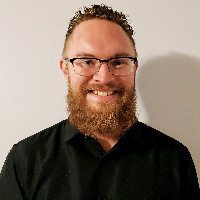
James Barrett is a Licensed Professional Counselor (LPC) based in South Carolina with 10 years of clinical experience. He lists work with stress, anxiety, addictions, relationship concerns, depression, coping with life changes, family issues, trauma and abuse, grief, intimacy-related problems, sleep difficulties, parenting struggles, anger, self-esteem, and career concerns.
He uses a direct, interactive style in sessions. He listens to what matters most and then helps people set practical steps toward change. He combines Motivational Interviewing and Cognitive Behavioral Therapy to uncover patterns, test new behaviors, and strengthen motivation for change. He also uses elements of the Gottman Method and mindfulness practices when they fit a person's goals.
James has experience working with individuals, couples, and families, and he has worked with people affected by substance use disorders. Over his career he has focused on relationship difficulties including communication, commitment, infidelity, and separation. He also addresses attachment questions, codependency, fatherhood issues, and family of origin concerns.
In sessions he focuses on clear goals: identify what is getting in the way, try small changes, and track what works. Conversations are practical and aimed at improving daily functioning, sleep, mood, or relationship patterns. He avoids labels and centers the person in front of him.
James trained in marriage, couples, and family therapy during his graduate studies and carries experience from both mental health and addiction settings. He offers services in English and accepts international clients; session details are confirmed during the initial connection.
Therapeutic approaches and online care
James often combines Client-Centered Therapy and Cognitive Behavioral Therapy. Client-Centered work focuses on listening, understanding priorities, and building a working alliance so the client steers the goals. Cognitive Behavioral Therapy looks at thought and behavior patterns and tests small changes to reduce symptoms like anxiety, low mood, or sleep disruption.He also uses Motivational Interviewing to help people find reasons to change and commit to steps that fit their life. That approach is useful for issues such as substance use, impulsivity, or making career and relationship shifts. Finding the right mix is part of the early work; the therapist and client decide together which approaches suit the client's needs and goals.
Confirm the current session formats before booking since the biography does not specify them. Online sessions can make it easier to fit therapy into a busy schedule, allow shorter check-ins when needed, and reduce travel time so appointments can occur around work or caregiving responsibilities. The practical aim is to make regular sessions realistic while focusing on skills, communication patterns, and behavior changes that transfer into daily life.
Areas of expertise
Primary focus
Also works with
Additional focus areas
Therapeutic approaches
Experience
10+ years
Credentials
South Carolina
Languages
English
Frequently asked questions
What kinds of concerns does he address?
His practice includes stress, anxiety, depression, addictions, relationship and family issues, grief, trauma and abuse, sleep problems, parenting and career concerns.
How would he describe his therapeutic style?
He uses a direct, interactive approach that sets clear goals and practical steps. Dialog often blends motivational techniques with cognitive behavioral strategies.
What is his clinical background?
He has 10 years of experience and studied marriage, couples, and family therapy at the graduate level, with work in both mental health and addiction settings.
What credential does he hold and where is he located?
He is a Licensed Professional Counselor (LPC) practicing in South Carolina.
Which languages are supported in sessions?
Sessions are offered in English.
Can people outside the United States work with him?
He accepts international clients; confirm logistical and licensing details when arranging sessions.
How are sessions scheduled and paid for?
Sessions use a subscription model that can be canceled at any time and cost varies with location.
What should I do to begin therapy?
Select the See online therapy options button, complete the short matching questionnaire, and then schedule a first session.
Before a first session
- Check that the state license on record covers the state you live in.
- Pick one thing to start with. A whole account of everything that has changed is not needed.
- A profile shows the topics a counselor lists; it is not a diagnosis or a promise of results.
If you feel unsafe right now, call or text 988, or call 911.