
Phyllis Smith
LMFTNorth Carolina · 5 yrs exp
LMFT focusing on relationships and life transitions
Stress, Anxiety · Relationship · Family · Parenting · +12 more
Read profileA directory of US counselors who list midlife among their focus areas
Need help now? 988Therapist listings come from BetterHelp. We will earn a commission at no extra cost to you if you use our links to buy.
Welcome to our directory for North Carolina online therapy. All therapists listed here are licensed to practice in North Carolina. Explore listings to compare approaches, languages, and experience and find a counselor who fits your needs.
North Carolina · 5 yrs exp
LMFT focusing on relationships and life transitions
Stress, Anxiety · Relationship · Family · Parenting · +12 more
Read profile
North Carolina · 5 yrs exp
LCMHC - Stress and Life Change Support
Stress, Anxiety · Family · Trauma and abuse · Depression · +15 more
Read profile
North Carolina · 8 yrs exp
LCMHC counselor - Stress and relationships
Stress, Anxiety · Relationship · Family · Depression · +1 more
Read profile
North Carolina · 6 yrs exp
LCMHC in North Carolina - Midlife and relationships
Stress, Anxiety · Relationship · Parenting · Self esteem · +7 more
Read profile
North Carolina · 20 yrs exp
Licensed Professional Counselor - Stress and Relationships
Stress, Anxiety · Relationship · Family · Self esteem · +9 more
Read profile
North Carolina · 20 yrs exp
Licensed counselor - Stress and addictions
Stress, Anxiety · Addictions · Relationship · Family · +1 more
Read profile
North Carolina · 16 yrs exp
Licensed Clinical Mental Health Counselor - Midlife and Addictions
Stress, Anxiety · Addictions · Grief · Eating · +12 more
Read profile
North Carolina · 10 yrs exp
Licensed Clinical Social Worker - Midlife concerns
Stress, Anxiety · Relationship · Family · Bipolar · +16 more
Read profile
North Carolina · 26 yrs exp
LCMHC in North Carolina - Stress and Parenting
Stress, Anxiety · Parenting · Anger · Self esteem · +1 more
Read profile
North Carolina · 30 yrs exp
LCMHC counselor - stress and midlife concerns
Stress, Anxiety · Addictions · LGBT · Trauma and abuse · +1 more
Read profile
North Carolina · 15 yrs exp
Licensed counselor - Midlife and life changes
Addictions · Grief · Self esteem · Career · +8 more
Read profile
North Carolina · 16 yrs exp
Licensed LCMHC - Addictions and Life Changes
Addictions · Trauma and abuse · Self esteem · Coping with life changes · +1 more
Read profile
North Carolina · 23 yrs exp
LCMHC - Addiction and trauma focus
Stress, Anxiety · Addictions · Trauma and abuse · Grief · +14 more
Read profile
North Carolina · 20 yrs exp
LCSW - Stress and Addiction support
Stress, Anxiety · Addictions · Trauma and abuse · Grief · +11 more
Read profile
North Carolina · 35 yrs exp
LCSW - Stress and relationship concerns
Stress, Anxiety · Relationship · Trauma and abuse · Self esteem · +7 more
Read profile
North Carolina · 20 yrs exp
Licensed counselor - Midlife and relationships
Stress, Anxiety · Relationship · Family · Self esteem · +1 more
Read profile
North Carolina · 8 yrs exp
LCMHC in North Carolina - Stress and Relationships
Stress, Anxiety · Relationship · Trauma and abuse · Depression · +1 more
Read profile
North Carolina · 4 yrs exp
Licensed Clinical Social Worker - Midlife concerns and trauma
Stress, Anxiety · Family · Trauma and abuse · Self esteem · +11 more
Read profile
North Carolina · 14 yrs exp
LCSW - Stress and relationship concerns
Stress, Anxiety · Relationship · Family · Grief · +12 more
Read profile
North Carolina · 5 yrs exp
LCMHC - Relationships and Life Changes
Relationship · Grief · Eating · Anger · +12 more
Read profile
North Carolina · 5 yrs exp
Licensed counselor - Midlife and addiction concerns
Stress, Anxiety · Addictions · Trauma and abuse · Grief · +1 more
Read profile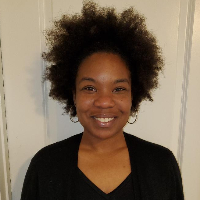
North Carolina · 15 yrs exp
Dr. Lakisha Ellison LCSW - Midlife and Life Change Support
LGBT · Relationship · Family · Parenting · +7 more
Read profile
North Carolina · 5 yrs exp
Licensed counselor - Midlife concerns and transitions
Stress, Anxiety · Family · Self esteem · Career · +7 more
Read profile
North Carolina · 13 yrs exp
LCSW - Midlife transitions and relationships
Stress, Anxiety · Relationship · Family · Self esteem · +12 more
Read profileIf you are looking for therapy from within North Carolina, you will find a range of licensed professionals offering services remotely. State rules allow therapists licensed in North Carolina to provide services across the state, and many also work with clients in different parts of the state via phone or video. Online therapy options include short-term skill-building sessions, longer-term counseling oriented around life transitions, and support for relationship or family concerns. Because each practitioner describes their own areas of focus and the approaches they use, you can review profiles to understand how a counselor frames their work.
When you read a therapist profile you will often see listed specialties and approaches. These entries indicate what a clinician reports practicing rather than a guarantee of formal certification in that approach. You can use those profile notes to narrow your search by focus area - for example, grief, anxiety, career transitions, caregiving stress, or relationship changes. Many therapists also indicate the languages they work in, which can help you find someone who communicates in your preferred language.
Online therapy can make it easier to access care without the need to travel across city or county lines. For people in rural areas or those balancing family and work responsibilities, remote sessions reduce time spent commuting and allow you to fit counseling into a daily routine more readily. You may find that daytime or evening session times are easier to coordinate when you do not have to factor in travel time. Additionally, online sessions let you remain in a familiar environment during conversations that can sometimes feel personal or emotionally intense.
Another practical benefit is flexibility in the mode of communication. Some therapists offer video sessions that closely resemble in-person meetings, while others provide phone-based conversations or messaging options for check-ins and support between sessions. You can consider how comfortable you are with technology, whether you prefer seeing facial cues on video, and how privacy in your home environment will support your ability to speak openly. All of these practical considerations can influence how useful remote therapy is for you.
Licensed online therapists in North Carolina work with a wide range of concerns that affect midlife and beyond. You will find clinicians who list anxiety and depression among their focuses, as well as those who note expertise with relationship challenges, caregiving stress, career transitions, and life-stage adjustments such as retirement or empty-nest changes. Many also work with grief and loss, substance-related concerns, and the emotional effects of chronic illness or long-term caregiving responsibilities. Because therapists describe their own practice focus, you can search for people who emphasize the issues most relevant to you.
Therapists often indicate the approaches they use to guide their work. You may encounter profiles that mention cognitive-behavioral strategies, narrative-oriented approaches, emotion-focused work, or other modalities. Remember that a listed approach signals that a therapist uses that method in their practice; it does not represent an independent certification. If a particular approach appeals to you, look for therapists who list it and read their descriptions to get a sense of how they apply that work to the kinds of problems you want to address.
Verifying that a counselor holds an active North Carolina license is a practical and important step. North Carolina maintains a public licensing board where you can look up licensed counselors, social workers, and marriage and family therapists. When you find a name on a directory listing, use the state board's search tool to confirm the license type, license status, and the board under which the practitioner is regulated. The license lookup will typically show the license number and whether the license is current, which gives you factual information about the therapist's standing with the state.
You can also note the professional degree and credential abbreviations listed in a profile and confirm that those credentials are recognized by the relevant licensing board. If you have questions about disciplinary history or restrictions on practice, the state licensing site will usually include relevant public records. Checking the licensing board can also help you understand the scope of practice associated with each credential so you know what to expect from therapy with different types of clinicians.
Beginning online therapy starts with clarifying what you want from counseling. Think about the main concerns you want to address and whether you prefer short-term, skills-focused work or a longer therapeutic relationship. Use directory filters to refine searches by approach, language, and areas of focus, and read profile summaries to see how therapists describe their work style. Profiles often include information about how sessions are conducted, such as whether they use video or phone formats, which helps you match technical preferences.
Once you identify a few practitioners who seem like a fit, reach out through the contact method provided in their listing to ask any initial questions. You might ask about session length, how they typically structure remote sessions, or how they approach the specific issue you are facing. These conversations can help you form an impression of communication style and whether the therapist's approach resonates with you. Remember that the first few sessions are often an exploratory period during which you and the therapist determine if the relationship is helpful.
Choosing a therapist is a personal decision and you should prioritize factors that matter most to you. Consider the therapeutic approach and whether you prefer a more directive style or a reflective, exploratory process. Languages spoken and cultural competence can be central if you want a therapist who understands specific community or cultural contexts. Read profiles carefully for mentions of populations and life stages that match your situation, such as midlife transitions, caregiving, or relationship complexities.
Also consider practical elements that affect the experience of therapy. Think about the session format that helps you stay engaged, whether that is video with visual cues or phone-based conversations. Check how the therapist explains their information-sharing boundaries practices and policies for record-keeping and messaging, and ask about those topics when you make contact. Finally, trust your sense of rapport - a good working relationship with your therapist is often the factor that makes change possible. If a profile or an initial conversation does not feel like the right match, it is reasonable to continue searching until you find someone who feels like a better fit for your needs.
As you explore online therapy options in North Carolina, keep in mind that finding the right counselor can take time. Use the directory to compare approaches, languages, and statements about experience, and verify licensure through the state board. By clarifying your goals and asking practical questions up front, you give yourself the best chance to connect with a licensed professional whose methods and communication style align with what you need.
Addictions
2495 therapists
Anger
2939 therapists
Cancer
1024 therapists
Chronic Illness
1546 therapists
Depression
4115 therapists
Grief
3321 therapists
Guilt and Shame
3875 therapists
Intimacy Issues
2491 therapists
Isolation / Loneliness
3759 therapists
Mood Disorders
3146 therapists
Self Esteem
4049 therapists
Sleeping Disorders
1352 therapists
Stress & Anxiety
4488 therapists
Trauma and Abuse
3520 therapists
Aging and Geriatric Issues
2119 therapists
Blended Family Issues
2522 therapists
Body Image
2063 therapists
Career
2833 therapists
Caregiver Issues and Stress
3146 therapists
Coaching
1763 therapists
Codependency
2903 therapists
Communication Problems
4090 therapists
Compassion Fatigue
2466 therapists
Coping with Life Changes
3896 therapists
Divorce
3478 therapists
Family
3376 therapists
Family of Origin Issues
2629 therapists
Forgiveness
3746 therapists
Hospice and End-of-Life Counseling
1331 therapists
Infidelity
2360 therapists
Life Purpose
4160 therapists
Money and Financial Issues
2045 therapists
Parenting
2874 therapists
Relationship
3936 therapists
Self-Love
3779 therapists
Workplace Issues
3444 therapists