- Stress and anxiety
- Attachment work
- CBT and DBT tools
About Lakisha
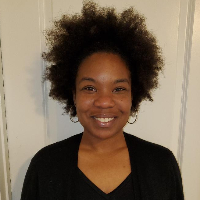
Dr. Lakisha Ellison is a Licensed Clinical Social Worker (LCSW) in North Carolina with 15 years of experience. She works with people facing stress, anxiety, trauma and abuse, relationship and parenting concerns, LGBT issues, career questions, bipolar disorder, ADHD, and the challenges that come with life changes.
Dr. Ellison began her social work career in 2005, working with children and adults across many backgrounds. Her practice includes support around attachment, grief and loss, domestic violence, and substance-related problems. She also focuses on sexual trauma and the long-term impact of adverse childhood experiences.
Her style is client-centered and down-to-earth. She uses practical tools such as cognitive behavioral techniques and elements from dialectical behavior therapy when they fit a person’s goals. She also draws on attachment-based ideas and emotionally-focused work to address closeness and trust issues.
Dr. Ellison often combines brief, solution-focused strategies and motivational interviewing to help people move forward. She discusses coping skills that can be used outside sessions and works with clients to make changes in daily life. She names humor and certain healing rituals as part of how she connects with people.
She has experience supporting transgender clients and queer and lesbian women of color in processing race, ethnicity, and sexuality concerns together. Her approach takes a person’s environment and strengths into account when planning next steps.
To begin, the site matching process directs prospective clients to an online option where they complete a short questionnaire and schedule a first session. The subscription used for sessions can be canceled at any time.
How her approaches translate to online work
Dr. Ellison commonly uses attachment-based ideas and cognitive behavioral therapy in her work. Attachment-based approaches focus on how relationships shape feelings and behavior and can help with intimacy-related issues and family patterns. Cognitive behavioral therapy (CBT) looks at thinking and behavior patterns and teaches concrete skills for anxiety, stress, and mood management.She treats finding the right approach as a collaborative process. She will review goals and preferences with each person and suggest which methods to try first, adjusting as needed based on how someone responds. The plan is built together rather than imposed.
The biography does not specify which online session formats are used, so confirm current session options before booking. Online work can make it easier to fit therapy into a busy week, allow shorter check-ins when needed, and avoid travel time. Many people find it helpful to practice CBT skills between sessions and bring examples from daily life to discuss during meetings.
Areas of expertise
Primary focus
Also works with
Additional focus areas
Therapeutic approaches
Experience
15+ years
Credentials
North Carolina
Languages
English
Frequently asked questions
What concerns does she address?
She helps people with stress, anxiety, trauma and abuse, relationship and parenting issues, LGBT concerns, career questions, bipolar, and ADHD.
What is her therapeutic style like?
Her work is client-centered and down-to-earth, mixing practical skills with relational approaches to address real-life problems.
How much clinical experience does she have?
She has 15 years of experience beginning her social work career in 2005 and has worked across many settings with children and adults.
What are her credentials and where does she practice?
She is a Licensed Clinical Social Worker, NC LCSW, practicing in North Carolina.
Which languages are supported?
Sessions are offered in English.
Can I work with her from another country?
She does not accept international clients at this time.
How does payment work?
Cost varies with location and sessions use a subscription model that can be canceled at any time.
How do I begin a first session?
Select the See online therapy options button, complete a short matching questionnaire, and schedule your first session.
Before a first session
- Check that the state license on record covers the state you live in.
- Pick one thing to start with. A whole account of everything that has changed is not needed.
- A profile shows the topics a counselor lists; it is not a diagnosis or a promise of results.
If you feel unsafe right now, call or text 988, or call 911.