
Geraldine (Geri) Godbolt
LPCGeorgia · 8 yrs exp
Licensed Professional Counselor - Stress and Trauma
Stress, Anxiety · Trauma and abuse · Self esteem · Bipolar · +8 more
Read profileA directory of US counselors who list midlife among their focus areas
Need help now? 988Therapist listings come from BetterHelp. We will earn a commission at no extra cost to you if you use our links to buy.
Welcome - if you are looking for online therapists serving Georgia, this directory connects you with licensed professionals across the state. All therapists listed here hold current Georgia licenses; explore profiles to compare approaches, areas of focus, credentials, languages, and experience.
Georgia · 8 yrs exp
Licensed Professional Counselor - Stress and Trauma
Stress, Anxiety · Trauma and abuse · Self esteem · Bipolar · +8 more
Read profile
Georgia · 34 yrs exp
Licensed Professional Counselor - Stress and Addiction
Stress, Anxiety · Addictions · Anger · Self esteem · +12 more
Read profile
Georgia · 25 yrs exp
Licensed Professional Counselor - Midlife concerns
Stress, Anxiety · Trauma and abuse · Grief · Self esteem · +13 more
Read profile
Georgia · 20 yrs exp
Licensed Professional Counselor - Stress and Addictions
Stress, Anxiety · Addictions · Family · Trauma and abuse · +12 more
Read profile
Georgia · 18 yrs exp
Licensed Professional Counselor - Midlife concerns, stress
Stress, Anxiety · Trauma and abuse · Self esteem · Depression · +7 more
Read profile
Georgia · 8 yrs exp
Licensed Professional Counselor - Stress and Addictions
Stress, Anxiety · Addictions · Trauma and abuse · Grief · +4 more
Read profile
Georgia · 9 yrs exp
LPC in Georgia - midlife and life changes
Stress, Anxiety · Addictions · Trauma and abuse · Grief · +15 more
Read profile
Georgia · 5 yrs exp
LPC in Georgia - Stress and Anxiety
Stress, Anxiety · Relationship · Trauma and abuse · Self esteem · +1 more
Read profile
Georgia · 25 yrs exp
Licensed social worker - Midlife concerns and relationships
Stress, Anxiety · Parenting · Anger · Self esteem · +15 more
Read profile
Georgia · 8 yrs exp
Licensed Professional Counselor - Relationships and Trauma
LGBT · Relationship · Trauma and abuse · Self esteem · +14 more
Read profile
Georgia · 7 yrs exp
Dr. Kerene Brown - LICSW clinical social worker, midlife concerns
Stress, Anxiety · Trauma and abuse · Self esteem · Depression · +10 more
Read profile
Georgia · 3 yrs exp
Licensed Professional Counselor - Stress and Life Changes
Stress, Anxiety · Self esteem · Career · Depression · +1 more
Read profile
Georgia · 11 yrs exp
Licensed Professional Counselor - Stress and Relationships
Stress, Anxiety · Addictions · LGBT · Family · +10 more
Read profile
Georgia · 18 yrs exp
LPC in Georgia - trauma and life changes
Trauma and abuse · Coaching · Stress, Anxiety · Addictions · +13 more
Read profile
Georgia · 10 yrs exp
LPC in Georgia - Relationships and Life Changes
Relationship · Anger · Career · Compassion fatigue · +9 more
Read profile
Georgia · 20 yrs exp
LMFT - Midlife concerns and life transitions
Stress, Anxiety · Relationship · Career · Depression · +13 more
Read profile
Georgia · 5 yrs exp
Licensed Professional Counselor - Relationships and Midlife concerns
Stress, Anxiety · Relationship · Self esteem · Depression · +1 more
Read profile
Georgia · 15 yrs exp
Licensed Professional Counselor - Stress and Addiction
Stress, Anxiety · Addictions · Family · Trauma and abuse · +1 more
Read profile
Georgia · 9 yrs exp
LPC in Georgia - Mood and trauma work
Stress, Anxiety · Anger · Self esteem · Bipolar · +11 more
Read profile
Georgia · 21 yrs exp
LPC in Georgia - Midlife and relationship concerns
Stress, Anxiety · Relationship · Family · Anger · +13 more
Read profile
Georgia · 25 yrs exp
Licensed counselor - relationships and midlife concerns
Stress, Anxiety · Relationship · Grief · Intimacy-related issues · +11 more
Read profile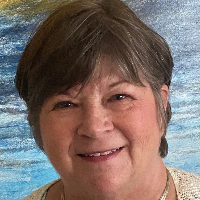
Georgia · 29 yrs exp
LPC in Georgia - Midlife, Stress and Transitions
Stress, Anxiety · Self esteem · Depression · Coping with life changes · +13 more
Read profile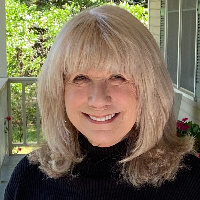
Georgia · 23 yrs exp
Licensed Professional Counselor - Midlife concerns
Stress, Anxiety · Addictions · Relationship · Trauma and abuse · +14 more
Read profile
Georgia · 8 yrs exp
LPC in Georgia - family and intimacy concerns
Family · Intimacy-related issues · Parenting · Self esteem · +11 more
Read profileOnline therapy has become a common pathway for people in Georgia to access mental health and emotional support. Over the past decade many licensed clinicians have incorporated video and phone sessions into their practices, allowing you to meet with a counselor from a city, suburb, or rural area without long commutes. Georgia regulates who may provide mental health services, and most therapists who offer remote care do so under the same professional rules that apply to in-person practice. Because of this regulatory framework you can expect to find a range of professional titles among online providers, including licensed professional counselors, licensed clinical social workers, and marriage and family therapists, each working within the scope of their license.
When you search for an online therapist who serves Georgia, you will encounter clinicians working from different settings and using different approaches. Some therapists emphasize short-term, skills-based work aimed at symptom relief while others offer longer-term, insight-oriented support. In many cases clinicians who list the same approaches may emphasize different areas of focus or bring distinct life and clinical experience to their work. The result is a variety of options that can match your preferences for style, pace, and therapeutic orientation.
Choosing online therapy can remove practical barriers that often make traditional in-person visits difficult. You can save travel time, avoid traffic in larger metro areas, and fit sessions into a busy day without the need to commute. For people living in rural parts of Georgia where local mental health options may be limited, remote care widens your pool of clinicians and allows you to connect with someone whose approach and experience align with your needs. Online sessions can also make it easier to maintain continuity during life transitions such as job changes, caregiving responsibilities, or relocation within the state.
Beyond logistics, many people find that the option to meet from home or another comfortable space makes it easier to start and stay in therapy. You can choose a setting that feels most conducive to honest conversation, whether that is a quiet room at home, a parked car between errands, or another personal environment. Technology also enables practical conveniences such as sharing resources, worksheets, or brief recording of mindfulness exercises between sessions. While online therapy is not a substitute for urgent in-person care when immediate safety concerns arise, it is a flexible and accessible way to pursue emotional growth, manage stress, and navigate relationship or life challenges.
Online therapists in Georgia work with a broad range of concerns that affect adults at various stages of life. If you are dealing with anxiety or persistent worry, therapists can offer strategies to manage symptoms and improve daily functioning. Depression, low mood, and loss of interest in usual activities are also commonly addressed through online sessions that help you understand patterns and build supportive routines. Relationship challenges, whether with a partner, family member, or adult children, are often explored through individual therapy or referrals to clinicians who specialize in relationship work.
Many people also seek online counseling for transitions that commonly occur in midlife, including career shifts, parenting changes, caregiving for aging parents, and redefinition of identity. Therapists who list cognitive-behavioral approaches among their methods may focus on skill-building and practical problem solving, while those who list psychodynamic or humanistic approaches may emphasize exploration of long-standing patterns and personal meaning. Some clinicians list trauma-informed methods such as EMDR among their approaches - that phrasing indicates they include those methods in their practice descriptions, but it does not serve as proof of any particular credential. You will also find clinicians who focus on stress management, life coaching-oriented support, grief counseling, and work-related issues, giving you options to match the kind of help you prefer.
Verifying a therapist's license is an important step in choosing care. Georgia maintains public records through its state licensing board, which oversees professional practice for counselors, social workers, and marriage and family therapists. You can look up a clinician's name or license number on the board's online verification tool to confirm that the license is active, to see the type of license they hold, and to review any publicly recorded disciplinary actions. The board listing will typically include the license issue and expiration dates and the professional title under which the clinician practices. If you prefer human contact, the licensing board can also be reached by phone for guidance on interpreting the public record.
When you review a therapist's profile, the listed credentials and degree information can help you understand their training path and role. Remember that profile statements about approaches reflect how therapists describe their work; if you want more clarity you can ask a clinician directly how they apply an approach in practice, which populations they commonly work with, and how they typically structure remote sessions. Confirming a license in Georgia ensures that the clinician is authorized to provide care under state rules, and it gives you a basis for asking additional, specific questions about the therapeutic process.
Getting started with online therapy often begins with a clear idea of what you want to address. Take a moment to reflect on your main concerns, whether they are symptom relief, relationship improvement, coping with a life change, or deeper self-exploration. When you review therapist profiles, pay attention to areas of focus, the approaches they list, and any notes about populations they commonly support. You may wish to note practical questions such as the session length they typically offer, how they handle written communication between sessions, and any paperwork or intake forms they use. Having these questions ready will help you make an informed introduction when you reach out to a clinician.
Choosing the right therapist is both practical and personal. Consider whether you prefer a more directive, skills-based counselor or someone who works in an exploratory, reflective way. Think about cultural factors, language needs, and life experience that might contribute to a better fit for you. If religion, sexual orientation, or other identity aspects are important to your care, look for clinicians who explicitly reference experience or interest in those areas. It can be helpful to read profiles for mentions of common client concerns and the approaches therapists list, then reach out to ask how they would approach your specific situation. An initial conversation can give you a sense of rapport and whether the clinician's style matches what you need.
Practical considerations also matter. Confirm whether the clinician holds a Georgia license and how they handle emergencies or referrals if an in-person assessment becomes necessary. Ask about accepted payment methods and whether they work with your insurer or offer sliding-scale options. You should also make a plan for the environment in which you will meet: choose a quiet space where you are unlikely to be interrupted and test your device, camera, and microphone ahead of time to minimize technical issues. Finally, give yourself permission to try a session or two with the understanding that finding the right clinician can take time. If a particular style or approach does not feel like a fit, it is reasonable to continue your search until you find a therapist with whom you feel comfortable and supported.
Addictions
2495 therapists
Anger
2939 therapists
Cancer
1024 therapists
Chronic Illness
1546 therapists
Depression
4115 therapists
Grief
3321 therapists
Guilt and Shame
3875 therapists
Intimacy Issues
2491 therapists
Isolation / Loneliness
3759 therapists
Mood Disorders
3146 therapists
Self Esteem
4049 therapists
Sleeping Disorders
1352 therapists
Stress & Anxiety
4488 therapists
Trauma and Abuse
3520 therapists
Aging and Geriatric Issues
2119 therapists
Blended Family Issues
2522 therapists
Body Image
2063 therapists
Career
2833 therapists
Caregiver Issues and Stress
3146 therapists
Coaching
1763 therapists
Codependency
2903 therapists
Communication Problems
4090 therapists
Compassion Fatigue
2466 therapists
Coping with Life Changes
3896 therapists
Divorce
3478 therapists
Family
3376 therapists
Family of Origin Issues
2629 therapists
Forgiveness
3746 therapists
Hospice and End-of-Life Counseling
1331 therapists
Infidelity
2360 therapists
Life Purpose
4160 therapists
Money and Financial Issues
2045 therapists
Parenting
2874 therapists
Relationship
3936 therapists
Self-Love
3779 therapists
Workplace Issues
3444 therapists