- CBT techniques
- Acceptance and Commitment Therapy
- Emotion-focused work
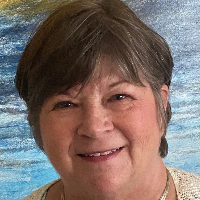
About Kay
Kay Ibarra is an LPC (Licensed Professional Counselor) in Georgia with 29 years of clinical experience. She lists stress, anxiety, low self-esteem, depression, addictions, relationship and family concerns, trauma and abuse, grief, sleep problems, parenting, anger, career questions, ADHD and midlife concerns among the issues people bring to sessions.
She began practice in California, worked in Louisiana, and has held her Georgia LPC since 2002. Her background includes community behavioral health and independent practice work. Over time she added supervision responsibilities and has supported a wide range of concerns across settings.
In sessions she focuses on practical, skills-based work and clear conversation. She uses approaches such as Cognitive Behavioral Therapy and Acceptance and Commitment Therapy to help people notice unhelpful patterns and try new responses. She also draws on Client-Centered and Emotionally-Focused ideas to improve communication and emotional awareness.
Kay adapted to virtual work during the COVID pandemic and learned that many clients appreciated meeting at times that fit their schedules. She aims to help people sort through life transitions, parent and caregiver stress, relationship difficulties, and changes that come with aging. Her work often includes addressing co-occurring problems and complex histories.
People who value direct talk about coping skills, communication, and realistic next steps may find her style useful. To begin, clients follow the site process to match and schedule a first appointment; session costs vary by location and use a cancelable subscription model.
How her approaches translate to online sessions
Acceptance and Commitment Therapy (ACT) helps people notice thoughts and feelings without getting stuck in them, then choose actions that align with personal values. It can be useful for anxiety, low mood, and midlife decision points.Cognitive Behavioral Therapy (CBT) focuses on identifying unhelpful thinking and testing new behaviors. It often includes practical homework and short-term skill practice for stress, sleep troubles, and mood concerns.
Client-Centered Therapy emphasizes clear, nonjudgmental listening and working at the clients pace to explore goals and values. This approach supports improved emotional understanding and communication in relationships.
Finding the right approach is part of the work. The therapist will collaborate with clients to identify which methods fit their goals, needs, and preferences. Sessions can blend elements from different approaches as progress and priorities become clearer.
The therapist began offering virtual sessions during the COVID pandemic and found they made scheduling easier for clients. The biography does not list explicit current formats, so confirm which session formats are available before booking. Online sessions can make it simpler to fit therapy into work days, caregiving schedules, or other obligations and can allow shorter check-ins or flexible meeting times when needed.
Areas of expertise
Also works with
Additional focus areas
Therapeutic approaches
Experience
29+ years
Credentials
Georgia
Languages
English
Frequently asked questions
What kinds of concerns does she address?
She works with stress, anxiety, depression, addictions, relationship and family concerns, trauma, grief, sleep problems, parenting and midlife issues among others.
What is her therapeutic style like?
She uses practical, skills-based work and clear conversation, blending CBT, ACT, client-centered, DBT ideas and emotionally-focused approaches to help people change patterns and improve communication.
How much experience does she have?
She has 29 years of experience as a licensed counselor, with work in community behavioral health and independent practice and supervisory roles.
What are her credentials and where is she based?
She is an LPC (Licensed Professional Counselor) licensed in Georgia and practices from that state.
Which languages are offered in sessions?
Sessions are offered in English only.
What session formats does she provide?
The original biography describes having moved to virtual work during the COVID pandemic and meeting clients at convenient times; confirm current session format options before booking.
How are sessions paid for and what do they cost?
Session cost varies with location; the practice uses a subscription system that can be canceled at any time.
How do I get started with a first appointment?
Use the See online therapy options button, complete the short matching questionnaire, and schedule a first session through the site.
Before a first session
- Check that the state license on record covers the state you live in.
- Pick one thing to start with. A whole account of everything that has changed is not needed.
- A profile shows the topics a counselor lists; it is not a diagnosis or a promise of results.
If you feel unsafe right now, call or text 988, or call 911.