
Cheryl Marrow
LPC, LMFTDistrict of Columbia · 25 yrs exp
Licensed counselor and marriage therapist - relationships and addictions
Addictions · Relationship · Family · Intimacy-related issues · +4 more
Read profileA directory of US counselors who list midlife among their focus areas
Need help now? 988Therapist listings come from BetterHelp. We will earn a commission at no extra cost to you if you use our links to buy.
Welcome to MidlifeCounselors.org's directory for online therapists who serve the District of Columbia. All therapists listed here are licensed to practice in the District, and you can browse profiles to compare approaches, credentials, languages, and areas of focus. Explore the listings below to begin your search for a counselor who fits your needs.
District of Columbia · 25 yrs exp
Licensed counselor and marriage therapist - relationships and addictions
Addictions · Relationship · Family · Intimacy-related issues · +4 more
Read profile
District of Columbia · 24 yrs exp
LICSW - Relationships and Trauma
Relationship · Trauma and abuse · Intimacy-related issues · Self esteem · +4 more
Read profile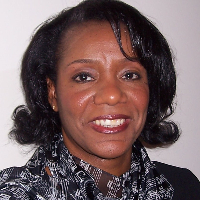
District of Columbia · 10 yrs exp
Licensed Professional Counselor - Relationships and Midlife
Stress, Anxiety · Relationship · Grief · Intimacy-related issues · +9 more
Read profile
District of Columbia · 15 yrs exp
Licensed MFT - Stress and Relationships
Stress, Anxiety · Relationship · Grief · Self esteem · +1 more
Read profile
District of Columbia · 30 yrs exp
Licensed social worker - Midlife concerns
Stress, Anxiety · Relationship · Self esteem · Depression · +12 more
Read profile
District of Columbia · 22 yrs exp
LPC - Relationships and Midlife concerns
Relationship · Family · Parenting · Anger · +5 more
Read profile
District of Columbia · 35 yrs exp
LPC and LMFT - Relationships and Mood
Stress, Anxiety · Relationship · Family · Self esteem · +1 more
Read profile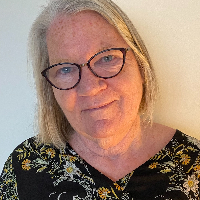
District of Columbia · 30 yrs exp
LICSW - Family and Life Changes
Family · Parenting · Career · Coping with life changes · +13 more
Read profile
District of Columbia · 10 yrs exp
LICSW - Stress and Life Changes
Stress, Anxiety · Relationship · Grief · Self esteem · +1 more
Read profile
District of Columbia · 5 yrs exp
LICSW - Stress and Relationships
Stress, Anxiety · Relationship · Family · Self esteem · +11 more
Read profile
District of Columbia · 20 yrs exp
LICSW - Stress and Relationship concerns
Stress, Anxiety · Relationship · Family · Self esteem · +1 more
Read profile
District of Columbia · 6 yrs exp
LICSW LCSW - Stress and Relationships
Stress, Anxiety · Depression · Coping with life changes · LGBT · +13 more
Read profile
District of Columbia · 24 yrs exp
LICSW - Stress and relationships
Stress, Anxiety · Relationship · Family · Trauma and abuse · +15 more
Read profileIf you live in the District of Columbia, you have access to a growing number of therapists who offer online sessions. Online therapy in the District operates under the same licensing rules that apply to in-person practice, so counselors must be licensed to provide mental health services to residents of the District. Technology has expanded how people connect with support, allowing you to work with a therapist who matches your needs even when schedules or mobility make in-person visits difficult. Many clinicians list multiple therapeutic approaches and areas of focus on their profiles, giving you a chance to read about their philosophies and decide which ones resonate with you.
Regulation of practice is local - when a therapist lists the District as a place they serve, it means they are expected to meet local licensing standards. Online therapy is used by people across the city, from those living in dense urban neighborhoods to residents in more residential wards. The convenience of meeting from home, from a car while commuting between appointments, or from another consistent location can make it easier to stay engaged with therapy over time. As you explore options, keep in mind that the logistics of online sessions - the methods for connecting, payment practices, and languages offered - vary from one clinician to another. Profiles will help you compare those features alongside clinical focus and background.
Online therapy offers practical advantages that often matter in your day-to-day life. If you have work commitments, caregiving responsibilities, or mobility considerations, not having to travel to an office can reduce the time and stress involved in getting support. You can schedule sessions around your routine without adding a lengthy commute, and you can choose a therapist whose specialty matches your needs even if their physical office is in a different part of the city. This flexibility can help you maintain continuity of care through life transitions, such as job changes or caregiving shifts.
Online sessions can also expand your choice of languages and cultural perspectives among therapists, which matters if you want someone who speaks your first language or understands your cultural context. Many therapists list the populations they work with and the approaches they use, so you can look for clinicians who emphasize midlife concerns, relationship transitions, adjustment to aging parents, career reinvention, or health-related changes. For some people, the screen creates a sense of distance that makes it easier to open up, while others prefer the in-person encounter. Either way, having an online option gives you more ways to shape care that fits your preferences and daily life.
Therapists who offer online services in the District work with a wide range of concerns that are common during midlife and beyond. Many people seek help for stress and anxiety related to work or family roles, grief and loss, relationship challenges, and changing identity as life circumstances evolve. You will also find counselors who focus on caretaking stress, navigating retirement or semi-retirement, shifts in intimacy or sexuality, and adjusting to health changes that affect daily functioning. Profiles often highlight the kinds of life-stage issues a clinician sees regularly, which can help you find someone whose experience aligns with your situation.
Therapists may describe their approaches in different ways. For example, some list cognitive behavioral therapy among their approaches, while others list psychodynamic methods, mindfulness-based strategies, or narrative approaches. You may also encounter therapists who list EMDR among their approaches or mention work with acceptance and commitment methods. These listings indicate areas of emphasis rather than formal endorsements of specific certifications. When you read profiles, pay attention to the types of problems a therapist mentions and how they describe the goals of treatment, because that will give you a sense of whether their style matches what you are seeking.
Verifying that a therapist is licensed to practice in the District of Columbia is an important step before beginning work together. You can start by visiting the District's official professional licensing website and using its license lookup or verification tool to search by the clinician's name or license number. Those databases typically show whether the license is active, the type of professional credential held - such as licensed clinical social worker, licensed professional counselor, psychologist, or marriage and family therapist - and any public disciplinary actions or limitations on practice.
When you review a license record, check the license type and issue date, and look for any notations about complaints, disciplinary findings, or restrictions. If a profile lists educational background or professional affiliations, you can compare those details with what appears in the licensing database. If you do not find a name in the District's search tool, it may be that the clinician practices under a different name or is licensed in a different jurisdiction. In that case, it is reasonable to ask the clinician directly for their license number and the name of the board that issued it so you can verify the information. Licensing boards also often provide contact details for further inquiries if you need clarification about a record.
Starting online therapy begins with clarifying what you hope to get from counseling. Think about the issues you want to address, the changes you hope to see, and any practical needs such as preferred languages, session length, or times that work for you. When you review profiles, look for clinicians who describe relevant experience and approaches that match your goals. It can help to note a few potential matches and then contact them to ask about how they work, what a first session typically covers, and what technology they use for online meetings. You should also ask about fees, payment methods, and whether they provide documentation for insurance reimbursement if that matters to you.
As you compare therapists, consider the fit between your preferences and what you read in their profiles. Some people prioritize a therapist who emphasizes problem-solving and skills-based work, while others prefer a clinician who focuses on insight and patterns in relationships. If midlife-specific topics are central for you, look for therapists who note experience with career transitions, caregiving, physical health adjustments, or identity changes. Languages offered, cultural experience, and stated populations of focus can also influence how comfortable you feel with a therapist. Trust your instincts about tone and communication style when you read a profile or speak briefly before committing to regular sessions.
Before your first online session, pick a consistent location where you can speak without interruptions and minimal background noise. Have a list of topics or goals to discuss so the time is focused, and bring questions about how the therapist structures sessions and tracks progress. It is reasonable to ask how the therapist measures outcomes or how you will know if therapy is helping. If you have a specific concern about communications technology, privacy, or record keeping, include that in your conversation so you understand what to expect. Over the first few sessions you and the therapist will develop a working plan and can adjust approach and goals as needed.
Choosing a therapist is a personal process. You can use profiles to narrow your search and the verification steps to confirm licensure. Once you connect with a clinician, the early sessions give you a sense of whether the approach, communication style, and practical arrangements work for you. If things do not feel like a match, it is okay to seek another perspective until you find the counselor who helps you move toward the outcomes you want. Online therapy in the District of Columbia offers many options - taking a thoughtful, informed approach will help you find a therapeutic relationship that supports your midlife priorities and long-term well-being.
Addictions
2495 therapists
Anger
2939 therapists
Cancer
1024 therapists
Chronic Illness
1546 therapists
Depression
4115 therapists
Grief
3321 therapists
Guilt and Shame
3875 therapists
Intimacy Issues
2491 therapists
Isolation / Loneliness
3759 therapists
Mood Disorders
3146 therapists
Self Esteem
4049 therapists
Sleeping Disorders
1352 therapists
Stress & Anxiety
4488 therapists
Trauma and Abuse
3520 therapists
Aging and Geriatric Issues
2119 therapists
Blended Family Issues
2522 therapists
Body Image
2063 therapists
Career
2833 therapists
Caregiver Issues and Stress
3146 therapists
Coaching
1763 therapists
Codependency
2903 therapists
Communication Problems
4090 therapists
Compassion Fatigue
2466 therapists
Coping with Life Changes
3896 therapists
Divorce
3478 therapists
Family
3376 therapists
Family of Origin Issues
2629 therapists
Forgiveness
3746 therapists
Hospice and End-of-Life Counseling
1331 therapists
Infidelity
2360 therapists
Life Purpose
4160 therapists
Money and Financial Issues
2045 therapists
Parenting
2874 therapists
Relationship
3936 therapists
Self-Love
3779 therapists
Workplace Issues
3444 therapists