- CBT methods
- Solution-focused work
- Motivational interviewing
About Ellen
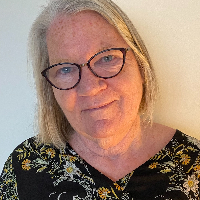
Ellen Walker is a Licensed Independent Clinical Social Worker (LICSW) in the District of Columbia with about 30 years of experience. She works with adults facing family and parenting pressures, career questions, stress, anxiety, grief, relationship struggles, addictions, mood disorders, and life changes including midlife concerns.
Her background includes long experience in mental health and child welfare settings. That work exposed her to trauma, grief, depression, and complex family problems. She has helped people manage caregiver stress, blended family issues, adoption and foster care concerns, and end-of-life caregiving challenges.
Ellen uses a mix of practical approaches to fit what each person needs. She draws often on Cognitive Behavioral Therapy, Solution-Focused Therapy, Motivational Interviewing, and trauma-focused methods. Sessions typically begin with building a clear picture of the issues, then focus on strategies and small steps to change thinking and behavior patterns.
She usually meets weekly for 45 minutes to keep momentum and check progress. Early meetings tend to be on video so she and the client can get to know one another, and she can also connect by phone and text when that better suits someone’s circumstances.
Her style emphasizes straightforward conversation, clear goals, and joint problem solving. She encourages honest communication and practical actions to address parenting strain, relationship difficulties, career crossroads, loneliness, and the emotional shifts that often come in midlife.
How her approaches translate to online work
Client-Centered Therapy focuses on listening and supporting the client's own goals, helping people clarify what matters most and decide next steps. Cognitive Behavioral Therapy (CBT) looks at patterns of thinking and behavior and uses concrete exercises to reduce anxiety, depression, and stress. Motivational Interviewing helps people resolve mixed feelings about change and build motivation for steps like reducing substance use or changing relationship habits.Deciding which approach to use is collaborative. The therapist will review your goals, symptoms, and preferences and recommend methods that fit. The plan can be adjusted as you try techniques and see what helps in everyday life.
Her profile notes video sessions as the typical way to start, and also mentions phone and text contact when preferred. Confirm the current session formats before booking so you know what to expect. Online sessions make it simpler to fit appointments around work, caregiving, or travel and can reduce commute time while keeping a weekly rhythm for progress.
Areas of expertise
Primary focus
Also works with
Additional focus areas
Therapeutic approaches
Experience
30+ years
Credentials
District of Columbia
Languages
English
Frequently asked questions
What concerns does she help with?
She helps people with family and parenting pressures, career shifts, coping with life changes, stress, anxiety, grief, relationship problems, addictions, mood issues, and midlife-related concerns.
What is her therapeutic style?
Her approach is pragmatic and client-centered, drawing on Cognitive Behavioral Therapy, Solution-Focused Therapy, Motivational Interviewing, and trauma-focused methods to set goals and try specific strategies.
How much experience does she have?
She has around 30 years of experience working in mental health and child welfare settings, including work with trauma, grief, depression, and family conflict.
What credentials and location are listed?
She is a LICSW (Licensed Independent Clinical Social Worker) licensed in the District of Columbia.
Can I work with her if I live outside the United States?
She accepts international clients and provides services in English.
Which session formats does she use?
Her biography notes use of video sessions, and she also connects by phone and text; confirm current session options before booking.
How much do sessions cost?
Cost varies with location and sessions are billed via a subscription that can be canceled at any time.
How do I begin a first session?
Click the See online therapy options button, complete a short matching questionnaire, and then schedule a first session.
Before a first session
- Check that the state license on record covers the state you live in.
- Pick one thing to start with. A whole account of everything that has changed is not needed.
- A profile shows the topics a counselor lists; it is not a diagnosis or a promise of results.
If you feel unsafe right now, call or text 988, or call 911.