- Stress and anxiety
- Attachment focus
- CBT and DBT tools
About Ronnie
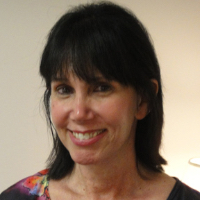
Ronnie Mitchell is a Licensed Clinical Social Worker (LCSW) practicing in Florida with 30 years of experience. She works with people facing stress, anxiety, relationship concerns, trauma and abuse, mood disorders such as bipolar and depression, addictions, grief, and the life shifts that come in midlife.
She uses straightforward conversation to help clients notice patterns that keep them stuck. Sessions focus on practical skills for managing strong emotions, improving communication, and increasing self-esteem. Ronnie stresses self-responsibility for emotional regulation while offering tools to reduce highs and lows and to steady day-to-day life.
Her background includes long experience in psychiatric settings and independent practice. That work informs a mix of approaches she brings into the room. She connects past experience to present behavior so clients can make different choices going forward.
Common themes she addresses include relationship struggles, parenting stress, career transitions, caregiving burdens, and the particular losses and changes people face in midlife. She also helps with attention difficulties, eating concerns, and intimacy-related problems.
Clients who choose Ronnie can expect an engaged, active approach. She draws on attachment-based ideas, client-centered listening, and techniques from cognitive behavioral and dialectical behavior therapies to build coping skills and shift unhelpful habits. Her aim is practical change that fits everyday life.
Therapeutic approaches and online care
Ronnie draws on attachment-based ideas and cognitive behavioral therapy in her work. Attachment-based work looks at how past close relationships shape current patterns and helps people create steadier connection and trust. Cognitive behavioral therapy (CBT) focuses on identifying unhelpful thoughts and testing them with concrete behavior changes to reduce anxiety and low mood.Finding the right approach is treated as a collaborative process. She talks with clients about goals and preferences, then adapts methods from different approaches so the work fits the client rather than forcing one method on everyone.
The original biography does not specify which session formats are used, so confirm current online options before booking. Many people in midlife choose online sessions because they can fit therapy into busy schedules, have shorter check-ins between appointments, or avoid travel time for an appointment during a workday. Online sessions can also make it easier to include focused skills practice between meetings. Licensed professionals will discuss timing, length, and practical setup when you schedule the first session.
Areas of expertise
Primary focus
Also works with
Additional focus areas
Therapeutic approaches
Experience
30+ years
Credentials
Florida
Languages
English
Frequently asked questions
What types of problems does she work with?
She works with stress, anxiety, relationship concerns, trauma and abuse, bipolar disorder, depression, addictions, grief, and many midlife changes.
What is her therapeutic style?
Her approach is active and collaborative, combining client-centered listening with practical techniques from CBT and DBT to change patterns over time.
How much experience does she have?
She has 30 years of clinical experience, including work in psychiatric settings and independent practice.
What are her credentials and where is she based?
She is a Licensed Clinical Social Worker (LCSW) licensed in Florida and practices from that state.
Which languages are supported in sessions?
Sessions are offered in English and international clients are accepted.
What session formats are offered?
The original profile does not list specific session formats; please confirm current session options before booking.
How does payment work?
Cost varies with location and sessions use a subscription that can be canceled at any time.
How do I begin if I want to work with her?
Select the See online therapy options button, complete a short matching questionnaire, and schedule a first session.
Before a first session
- Check that the state license on record covers the state you live in.
- Pick one thing to start with. A whole account of everything that has changed is not needed.
- A profile shows the topics a counselor lists; it is not a diagnosis or a promise of results.
If you feel unsafe right now, call or text 988, or call 911.