
Helen Lopez
LMHCFlorida · 15 yrs exp
Florida LMHC - Midlife transitions and anxiety
Stress, Anxiety · Addictions · Relationship · Family · +15 more
Read profileA directory of US counselors who list midlife among their focus areas
Need help now? 988Therapist listings come from BetterHelp. We will earn a commission at no extra cost to you if you use our links to buy.
Welcome to MidlifeCounselors.org's Florida directory of online therapists. All therapists listed here are licensed to practice in Florida. Explore the listings to compare approaches, languages, and experience to find a counselor who meets your needs.
Florida · 15 yrs exp
Florida LMHC - Midlife transitions and anxiety
Stress, Anxiety · Addictions · Relationship · Family · +15 more
Read profile
Florida · 15 yrs exp
LCSW - Midlife transitions and relationships
Stress, Anxiety · Relationship · Self esteem · Depression · +11 more
Read profile
Florida · 10 yrs exp
LCSW - Stress and Relationship Concerns
Stress, Anxiety · Addictions · Family · Grief · +8 more
Read profile
Florida · 21 yrs exp
Licensed Clinical Social Worker - Relationships and Life Changes
Stress, Anxiety · Relationship · Trauma and abuse · Depression · +13 more
Read profile
Florida · 10 yrs exp
LMHC in Florida - Trauma and Addictions
Stress, Anxiety · Addictions · Trauma and abuse · Self esteem · +1 more
Read profile
Florida · 10 yrs exp
Florida LMHC - Stress and Midlife concerns
Stress, Anxiety · Anger · Self esteem · Depression · +2 more
Read profile
Florida · 25 yrs exp
Florida LMHC - Midlife transitions and relationships
Stress, Anxiety · Relationship · Family · Self esteem · +13 more
Read profile
Florida · 25 yrs exp
Florida LMFT - Relationships and Life Changes
Relationship · Family · Parenting · Self esteem · +1 more
Read profile
Florida · 6 yrs exp
Licensed Mental Health Counselor - Stress and Relationships
Stress, Anxiety · Relationship · Family · Self esteem · +1 more
Read profile
Florida · 5 yrs exp
LMHC in Florida - Stress and life changes
Stress, Anxiety · Self esteem · Coping with life changes
Read profile
Florida · 11 yrs exp
Licensed Counselor - Midlife changes and stress
Stress, Anxiety · Addictions · Anger · Self esteem · +11 more
Read profile
Florida · 26 yrs exp
LPC and LMHC - stress and trauma support
Stress, Anxiety · Family · Trauma and abuse · Self esteem · +1 more
Read profile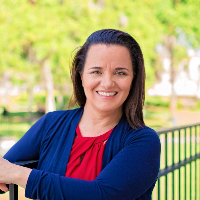
Florida · 20 yrs exp
FL LMHC - Addiction and Relationships
Stress, Anxiety · Addictions · Relationship · Self esteem · +16 more
Read profile
Florida · 6 yrs exp
Licensed counselor - Midlife concerns
Stress, Anxiety · Relationship · Trauma and abuse · Depression · +10 more
Read profile
Florida · 11 yrs exp
Licensed counselor - Midlife and relationships
Stress, Anxiety · Relationship · Self esteem · Depression · +11 more
Read profile
Florida · 30 yrs exp
LMHC LPC - Stress and Life Changes
Stress, Anxiety · Family · Grief · Self esteem · +13 more
Read profile
Florida · 30 yrs exp
Licensed Mental Health Counselor - Midlife concerns
Stress, Anxiety · Relationship · Family · Self esteem · +15 more
Read profile
Florida · 42 yrs exp
LCSW - Stress and Relationship Concerns
Stress, Anxiety · Addictions · Relationship · Trauma and abuse · +15 more
Read profile
Florida · 3 yrs exp
FL Psychologist - Relationships and Midlife Concerns
Stress, Anxiety · Relationship · Family · Grief · +13 more
Read profile
Florida · 40 yrs exp
LMHC - Relationships and Midlife transitions
Stress, Anxiety · Relationship · Family · Intimacy-related issues · +1 more
Read profile
Florida · 11 yrs exp
LMHC in Florida - Addictions and Life Change
Addictions · LGBT · Trauma and abuse · Grief · +12 more
Read profile
Florida · 30 yrs exp
LMHC in Florida - Midlife and Family Concerns
Stress, Anxiety · Family · Trauma and abuse · Parenting · +14 more
Read profile
Florida · 7 yrs exp
LMHC - Anxiety and Depression focus
Stress, Anxiety · Addictions · Relationship · Trauma and abuse · +15 more
Read profile
Florida · 8 yrs exp
LMHC - Stress and Relationship Concerns
Stress, Anxiety · Addictions · Trauma and abuse · Parenting · +14 more
Read profileIf you live in Florida and are considering online therapy, you will find a wide range of licensed professionals offering services by video and phone. Many counselors, social workers, and marriage and family therapists include remote sessions among their practice options, allowing you to connect from home, work, or another convenient location. Telehealth rules for mental health services in Florida have evolved over recent years, and licensed clinicians practicing with remote clients must follow state regulations that govern the delivery of care across technology platforms. This means that therapists who provide online sessions must hold an active Florida license and adhere to the practice standards set by Florida regulatory boards.
Florida spans a large geographic area with urban, suburban, and rural communities, and internet access varies by region. If you live in a dense metropolitan area you may have many online providers to choose from, while in more rural counties online therapy can be particularly valuable for reducing travel time and connecting with clinicians who share your interests or speak your language. Keep in mind that licensing governs where a therapist may practice, so you will be working with someone who is authorized to provide care to Florida residents. That helps ensure there is a clear point of contact in the state for professional oversight and follow-up when needed.
One of the most practical benefits of online therapy is greater scheduling flexibility. You can choose times that fit around work, caregiving, or other commitments without factoring in travel time. Online sessions also allow you to meet with a therapist from a comfortable setting of your choice. For many people this convenience lowers the barrier to seeking support, making it easier to maintain regular sessions over weeks or months as you work on goals.
When you use online therapy, you expand the pool of clinicians beyond your immediate neighborhood. That increases the likelihood of finding a therapist who lists specific approaches you prefer, such as cognitive behavioral methods or therapies aimed at trauma, or who works with particular populations like later-life adults, couples, or caregivers. You may also find therapists who speak languages other than English, which can make a significant difference in how comfortable you feel during sessions. The additional choice can help you match with a clinician whose focus areas, experience, and communication style align with your needs.
Online therapists in Florida commonly assist people with a range of mental health concerns such as anxiety, depression, stress management, grief, and relationship challenges. They also support life transitions that are common in midlife and beyond, including retirement planning, changes in family roles, coping with illness, and navigating blended families. You can expect clinicians to offer talk therapy and evidence-informed approaches that address emotional regulation, problem solving, and interpersonal dynamics without making clinical claims about outcomes.
If you are managing relationship stress, co-parenting challenges, or the responsibilities of caring for aging parents, online therapy can provide a practical way to work on communication patterns and boundaries. Many therapists list couples work, family systems, or caregiving support among their areas of focus. Because you can meet remotely, family members who live in different parts of the state or who have busy schedules may find it easier to participate in joint sessions when appropriate.
Verifying a therapist's license helps you confirm that the clinician is authorized to practice in Florida and is subject to state oversight. Licensure indicates that a professional has met the state board's required education and testing benchmarks for their discipline and that there is a formal channel to address ethical concerns or complaints. When you see a profile that states a clinician is licensed in Florida, you can follow up with public records to confirm the license status and the scope of practice.
You can verify a clinician's license through Florida's official board resources online. The state posts license status, license type, and disciplinary history for counselors, clinical social workers, marriage and family therapists, and other regulated professions. When you search, use the therapist's full name and license number if it is provided on their profile to narrow results. If you have questions about what you find, the state board's contact information is available for inquiries. Confirming licensure is a practical step to help you feel informed about who you are considering for care.
When you are ready to start working with an online therapist, begin by identifying the aspects of care that matter most to you. Think about whether you prefer a therapist who lists particular approaches, such as cognitive behavioral methods or mindfulness-based strategies, and whether language, cultural background, or experience with certain life stages is important. Read clinician profiles to learn about their focus areas, professional credentials, and how they describe their work. Profiles often indicate the types of issues the therapist commonly addresses and the populations they support.
Once you have a short list of potential therapists, look for information that clarifies how they work. Many therapists explain their session format, methods of communication, and general approach to therapy in profile summaries. Since you cannot rely on profile statements alone to confirm depth of experience with a modality, pay attention to how clearly a therapist explains their philosophy and whether that language resonates with you. It can help to note whether a clinician lists approaches such as EMDR among their approaches rather than implying formal certification. You should also consider logistical preferences like session length and whether you prefer video or phone sessions.
The first few sessions with an online therapist typically focus on building rapport, clarifying goals, and gathering background information about the issues you want to address. You and your therapist will discuss expectations, what a typical session looks like, and how progress will be reviewed over time. If you have questions about information-sharing boundaries, record keeping, or how emergencies are handled, the therapist can explain their policies so you understand how they manage professional responsibilities while providing remote care. This conversation is a useful way to evaluate whether the clinician's style and communication meet your needs.
Finding the right therapist can take time, and it is normal to try more than one clinician before you feel a strong fit. If you do not feel that the therapeutic relationship is helping you move toward your goals or if your communication styles do not align, it is reasonable to look for another clinician who more closely matches your preferences. Focus on the qualities that matter most to you - such as approach, experience with particular concerns, language, or the therapist's way of explaining their work - and use those priorities to guide your next steps.
Online therapy in Florida offers flexibility and access to a diverse group of licensed professionals. By verifying licensure, clarifying your priorities, and paying attention to how a therapist describes their approach, you can make an informed choice about who to work with. Take the time to read profiles, reflect on what you need, and reach out to clinicians whose descriptions feel like a good starting point for the work you want to do.
Addictions
2495 therapists
Anger
2939 therapists
Cancer
1024 therapists
Chronic Illness
1546 therapists
Depression
4115 therapists
Grief
3321 therapists
Guilt and Shame
3875 therapists
Intimacy Issues
2491 therapists
Isolation / Loneliness
3759 therapists
Mood Disorders
3146 therapists
Self Esteem
4049 therapists
Sleeping Disorders
1352 therapists
Stress & Anxiety
4488 therapists
Trauma and Abuse
3520 therapists
Aging and Geriatric Issues
2119 therapists
Blended Family Issues
2522 therapists
Body Image
2063 therapists
Career
2833 therapists
Caregiver Issues and Stress
3146 therapists
Coaching
1763 therapists
Codependency
2903 therapists
Communication Problems
4090 therapists
Compassion Fatigue
2466 therapists
Coping with Life Changes
3896 therapists
Divorce
3478 therapists
Family
3376 therapists
Family of Origin Issues
2629 therapists
Forgiveness
3746 therapists
Hospice and End-of-Life Counseling
1331 therapists
Infidelity
2360 therapists
Life Purpose
4160 therapists
Money and Financial Issues
2045 therapists
Parenting
2874 therapists
Relationship
3936 therapists
Self-Love
3779 therapists
Workplace Issues
3444 therapists