- Addictions
- Relationship issues
- Family origins
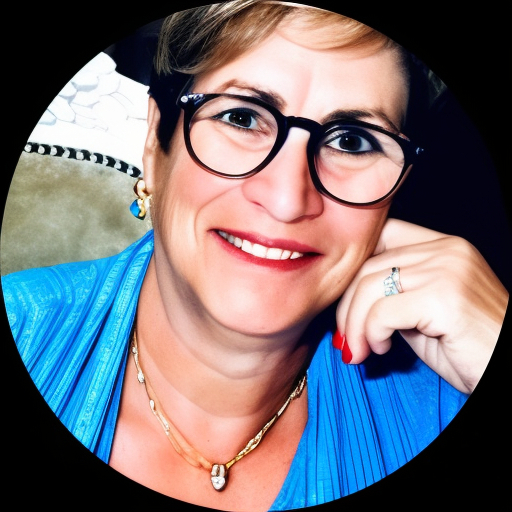
About Paula
Paula Schneider is a Licensed Clinical Social Worker (LCSW) practicing in Florida with 20 years of experience. She works with adults facing addictions, eating concerns, anxiety, depression, and relationship and parenting challenges. Paula also helps people coping with life changes and the long-term effects of difficult family beginnings.
She draws on a range of approaches to guide practical steps and clearer thinking. Sessions focus on identifying patterns that keep people stuck, building skills to manage strong emotions, and improving communication in relationships. Paula often helps clients untangle issues that began in their family of origin and are now affecting their partnerships and parenting.
Paula has long experience with addiction and eating-related concerns as well as the problems that commonly go with them, such as shame, guilt, and codependency. She integrates cognitive behavioral strategies for symptom management with attachment-based ideas that look at how early relationships shape current reactions. Clients can expect direct feedback, reflective questions, and suggestions for concrete behavior changes.
Her style is interactive and goal-focused. She helps people set clear, realistic goals and supports them as they try new ways of handling conflict, setting boundaries, and redefining roles in blended families. Paula emphasizes self-understanding and self-acceptance as steps toward healthier relationships.
People seeking help for relationship tension, parenting strain, substance or food-related struggles, or midlife shifts often find her approach practical and straightforward. She conducts work from a perspective that respects life experience while encouraging honest effort and change.
Approaches used and how online work can fit into life
Paula combines cognitive behavioral work with attachment-based thinking to address both symptoms and relationship patterns. Cognitive Behavioral Therapy (CBT) focuses on identifying unhelpful thoughts and testing them against real-life evidence to reduce anxiety and depression. Attachment-Based Therapy looks at how early caregiving patterns shape adult reactions and helps people change long-standing relationship habits.She approaches choices about methods collaboratively. The therapist will review your concerns and goals, and together you decide which strategies to try first. That process includes checking whether skills practice, communication exercises, or deeper exploration of family history feels most useful at the time.
Confirm the session formats before booking, as the biography does not list specific online options. Online work can make it easier to fit sessions into a busy week, allow shorter check-ins when needed, and reduce travel time so therapy takes less of your day. Many people find virtual sessions help them practice new communication patterns at home and apply coping skills directly between meetings.
Areas of expertise
Primary focus
Also works with
Additional focus areas
Therapeutic approaches
Experience
20+ years
Credentials
Florida
Languages
English
Frequently asked questions
What sorts of concerns does she address?
She works with addictions, eating concerns, anxiety, depression, relationship and parenting challenges, and coping with life changes.
What is her therapeutic style?
Her work is interactive and goal-focused, using reflective questions, direct feedback, and practical behavior change suggestions.
How much experience does she have?
She has 20 years of clinical experience working with individuals, families, and couples on a wide range of issues.
What are her credentials and where does she practice?
She is a Licensed Clinical Social Worker (LCSW) licensed in Florida and practices in that state.
Which languages are supported?
Sessions are offered in English.
Can people outside the U.S. work with her?
She does not accept international clients.
How are fees handled?
Cost varies by location; sessions use a subscription that can be canceled at any time.
How do I begin a first session?
Click the See online therapy options button, complete a short matching questionnaire, and schedule a first session.
Before a first session
- Check that the state license on record covers the state you live in.
- Pick one thing to start with. A whole account of everything that has changed is not needed.
- A profile shows the topics a counselor lists; it is not a diagnosis or a promise of results.
If you feel unsafe right now, call or text 988, or call 911.