- ADHD coping strategies
- Career and workplace focus
- Grief and mood support
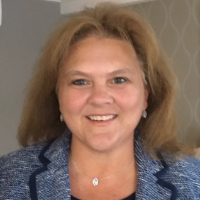
About Michelle
Michelle Gross is a Licensed Clinical Mental Health Counselor (LCMHC) in North Carolina with 20 years of experience. She supports people dealing with stress, anxiety, ADHD, grief, depression, career strain, and life changes. Michelle combines counseling and coaching skills to help people find clearer next steps.
She uses practical strategies and hands-on planning to turn insight into action. Sessions often focus on building coping strategies for ADHD, managing anxious thoughts, and creating routines that help with sleep and daily tasks. Michelle also addresses grief, depression, anger, and relationship concerns in straightforward ways.
Michelle holds a Master’s in Counseling and an MBA from Wake Forest University. Her background includes work in schools, universities, corporations, and independent practice, which she draws on when advising professionals and entrepreneurs. That experience informs her approach to task management, delegation, and workplace stress.
In sessions she encourages self-awareness and realistic problem solving. Conversations move from understanding patterns to testing small changes. She offers coaching-style tools alongside therapy techniques so clients can practice new habits between meetings.
People often come to her when they feel stuck at work, are managing caregiving duties, are navigating loss, or are seeking clearer focus with ADHD. Michelle helps identify practical steps, supports skill building, and works with each person to set achievable goals.
How therapeutic approaches are used in online sessions
Client-Centered Therapy focuses on listening and following the client's lead. The therapist reflects what she hears and helps people clarify their own goals, which can help with anxiety, low mood, and relationship concerns.Cognitive Behavioral Therapy (CBT) looks at the connection between thoughts, feelings, and actions. In practical terms this means identifying unhelpful thinking patterns and testing small behavioral changes to improve sleep, mood, and daily functioning.
Finding the right approach is part of the work. Michelle will discuss options and adjust methods based on a person's needs, goals, and preferences. That collaborative process helps decide whether CBT, Client-Centered methods, or a mix works best.
Confirm current session formats before booking since formats were not specified in the profile. Online sessions can make it easier to fit meetings into a busy week, allow shorter check-ins when time is limited, and remove travel time. These practical benefits help people keep therapy going alongside work, caregiving, and other midlife responsibilities.
Areas of expertise
Primary focus
Also works with
Additional focus areas
Therapeutic approaches
Experience
20+ years
Credentials
North Carolina
Languages
English
Frequently asked questions
What concerns does she help with?
She works with stress, anxiety, ADHD, grief, depression, career strain, and life changes among other concerns listed in her profile.
What is her therapy style?
She blends client-centered conversation with practical coaching. Sessions move from understanding patterns to testing small, workable changes.
How much experience does she have?
Michelle has 20 years of experience across schools, universities, corporations, and independent practice.
What are her credentials and where is she based?
She is an LCMHC licensed in North Carolina and completed a Master’s in Counseling and an MBA from Wake Forest University.
Does she offer sessions in other languages?
Sessions are offered in English.
Can international clients work with her?
She accepts international clients as noted in her profile.
How are fees handled?
Cost varies with location; sessions use a subscription that can be canceled at any time.
How do I begin working with her?
Select the See online therapy options button, complete a short matching questionnaire, and schedule a first session.
Before a first session
- Check that the state license on record covers the state you live in.
- Pick one thing to start with. A whole account of everything that has changed is not needed.
- A profile shows the topics a counselor lists; it is not a diagnosis or a promise of results.
If you feel unsafe right now, call or text 988, or call 911.