- Stress and anxiety
- Trauma and grief
- CBT DBT ACT EMDR
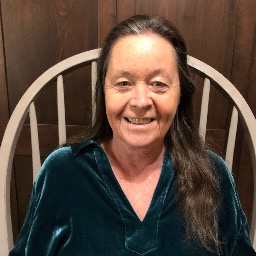
About Mary
Mary Kallenbach is a Licensed Clinical Mental Health Counselor (LCMHC) in North Carolina with 23 years of experience. She works with adults on stress, anxiety, relationship strain, trauma and abuse, depression, coping with life changes, addictions, grief, self-esteem, career concerns, ADHD and related issues. Mary also addresses intimacy-related problems, eating concerns, bipolar symptoms, and challenges tied to aging and family roles.
She began counseling in 1995 and earned a Master of Arts in Counseling from Webster University in 1997. Mary has worked in inpatient, community, school, and residential settings, gaining wide experience with different needs and diagnoses. Since 1998 she has kept a independent practice, seeing individuals, couples, and running group sessions.
Her approach draws on evidence-based methods such as cognitive behavioral therapy (CBT), dialectical behavior therapy (DBT), acceptance and commitment therapy (ACT), and eye movement desensitization and reprocessing (EMDR). In practice she uses specific skills training, exposure work for trauma, mindfulness tools, and client-centered conversation to address current problems and build coping skills.
Mary has experience providing therapy in a residential healing farm setting and has used animal-assisted techniques with suitable clients. She also has experience with assessment, crisis intervention, and group facilitation from community mental health and school work.
Sessions focus on practical steps and clear strategies. Clients can expect straightforward discussion, skill practice, and collaborative planning to address midlife questions about career, relationships, caregiving, health changes, and shifting roles.
Mary works in English from North Carolina and maintains a independent practice model that has evolved from decades of clinical work.
How Mary integrates therapy approaches for online work
Acceptance and Commitment Therapy (ACT) focuses on clarifying values and taking action consistent with those values while accepting difficult thoughts and feelings. It can help when midlife decisions feel confusing or overwhelming. Cognitive Behavioral Therapy (CBT) breaks problems into thoughts, feelings, and behaviors and teaches practical skills to change unhelpful patterns; it is useful for anxiety, depression, and coping with life transitions. Eye Movement Desensitization and Reprocessing (EMDR) is a trauma-focused method that uses structured processing to reduce the impact of distressing memories and related symptoms.Figuring out which approach to use is part of the work. Mary will discuss different methods with clients and together decide what matches the person’s goals, preferences, and the issues at hand. That collaborative selection helps keep sessions focused and relevant.
Confirm current session formats before booking. Once formats are confirmed, online sessions can make it easier to fit therapy into a busy life by removing travel time and allowing scheduling during breaks or between obligations. Some formats can also allow shorter check-ins when needed or let a client avoid being on camera if that helps them focus. The practical aim is to make therapy usable around work, caregiving, and other midlife responsibilities while working with ACT, CBT, or EMDR techniques as appropriate.
Areas of expertise
Primary focus
Also works with
Additional focus areas
Therapeutic approaches
Experience
23+ years
Credentials
North Carolina
Languages
English
Frequently asked questions
What issues does she help with?
She works with stress, anxiety, relationship strain, trauma and abuse, depression, coping with life changes, addictions, grief, self-esteem, career concerns, ADHD and related problems.
How would you describe her therapeutic style?
She uses a practical, client-centered style that emphasizes skill building, clear strategies, and collaborative planning.
How much clinical experience does she have?
Mary has worked in counseling since 1995 and has 23 years of professional experience in a variety of settings.
What credential does she hold and where is she based?
She is a Licensed Clinical Mental Health Counselor (LCMHC) licensed in North Carolina and practices from that state.
Which languages are supported for sessions?
Sessions are offered in English.
Can people outside the United States work with her?
International clients are not currently accepted.
How are session costs handled?
Cost varies with location; sessions use a subscription model that can be canceled at any time.
How do I begin a first session?
Select the See online therapy options button, complete the short matching questionnaire, and schedule a first session.
Before a first session
- Check that the state license on record covers the state you live in.
- Pick one thing to start with. A whole account of everything that has changed is not needed.
- A profile shows the topics a counselor lists; it is not a diagnosis or a promise of results.
If you feel unsafe right now, call or text 988, or call 911.