- Trauma and dissociation
- DBT skills work
- EMDR processing
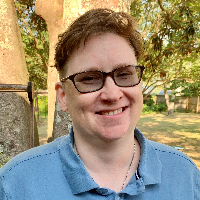
About Heather
Heather Scarboro is a Licensed Clinical Mental Health Counselor (LCMHC) in North Carolina with 10 years of clinical experience. Heather works with concerns such as stress, anxiety, addictions, trauma and abuse, depression, relationship and family issues, and coping with life changes. Sessions are conducted in English and Heather accepts international clients.
Heather uses a practical, person-focused approach in session. She draws on Client-Centered Therapy to listen and follow each person's priorities, and integrates Dialectical Behavior Therapy (DBT) skills for managing intense emotions and regulating behavior. Emotionally-Focused Therapy (EFT) informs work around relational patterns and attachment, while Eye Movement Desensitization and Reprocessing (EMDR) is used with trauma-related material when appropriate.
Her experience includes work across elder care, community mental health, university settings, the LGBTQIAP+ community, plural communities, and frontline workers. She has a long-standing interest in dissociative disorders and has been an advocate for people with those diagnoses since 2002. This background informs her understanding of complex trauma and long-term recovery.
Heather also blends expressive arts, mindfulness-informed cognitive-behavioral techniques, and clinical hypnosis into therapy when these fit a person's goals. In practice that can mean learning concrete emotion-regulation skills, processing traumatic memories, or using creative expression to access difficult material.
Outside clinical work she continues advocacy and public education through writing, podcasts, and presentations. That outreach reflects a focus on accurate information about dissociation, trauma, and recovery.
Therapeutic approaches for online sessions
Heather often uses Client-Centered Therapy to focus on each person's priorities. That approach emphasizes listening, validation, and shaping sessions around what matters most to the client, which helps when sorting midlife concerns like career questions or relationship shifts.She also draws on Dialectical Behavior Therapy (DBT) to teach concrete skills. DBT offers techniques for emotion regulation, distress tolerance, and improved communication, which can be useful for anxiety, anger, and stress related to life transitions.
Eye Movement Desensitization and Reprocessing (EMDR) is another approach Heather uses for trauma-related material. EMDR targets troubling memories and sensations so they feel less disruptive in everyday life; it is commonly used when trauma symptoms interfere with functioning.
Picking the right approach is part of the work. Heather will collaborate with the client to identify goals and try methods that fit those goals and preferences. That means starting with what feels most practical and adjusting based on progress and comfort.
If you want online sessions, please confirm the available formats before booking. The practical benefit of remote work is that therapy can fit into a busy day more easily, for example by reducing travel time or letting someone join a shorter check-in between commitments. Discuss scheduling and format options when you complete the matching questionnaire and schedule your first session.
Areas of expertise
Primary focus
Also works with
Additional focus areas
Therapeutic approaches
Experience
10+ years
Credentials
North Carolina
Languages
English
Frequently asked questions
What kinds of concerns does she address?
She works with stress, anxiety, addictions, trauma and abuse, depression, relationship and family issues, grief, and many midlife concerns such as coping with life changes and caregiving stress.
What is her overall therapeutic style?
Heather combines a client-centered stance with skill-based work. She uses DBT for emotion regulation, EFT for relationship patterns, and EMDR for trauma-focused processing when appropriate.
How much clinical experience does she have?
She has 10 years of professional experience, including work in elder care, community mental health, university settings, and with LGBTQIAP+ and frontline communities.
What are her credentials and where does she practice?
She holds the credential LCMHC and practices in North Carolina.
Can I work with her if I live outside the United States?
Sessions are offered in English and she accepts international clients.
What session formats are available?
If you are interested in specific session formats, please confirm current options before booking as formats are not listed here.
How does payment work?
Cost varies with location and sessions use a subscription that can be canceled at any time.
How do I begin working with her?
Start by selecting the See online therapy options button, completing a short matching questionnaire, and scheduling a first session.
Before a first session
- Check that the state license on record covers the state you live in.
- Pick one thing to start with. A whole account of everything that has changed is not needed.
- A profile shows the topics a counselor lists; it is not a diagnosis or a promise of results.
If you feel unsafe right now, call or text 988, or call 911.