- Acceptance and Commitment Therapy
- Client-Centered methods
- Mindfulness and meditation
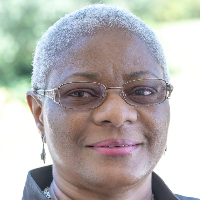
About Claudette
Claudette Gaynor is a Florida licensed mental health counselor (LMHC) with 19 years of experience. She works with adults facing stress, anxiety, grief, depression, addiction, and coping with life changes. Claudette also lists concerns such as relationship difficulties, intimacy issues, parenting strains, ADHD, and challenges tied to aging or caregiving.
She uses a client-centered stance that focuses on self-acceptance and self-compassion. Sessions emphasize noticing long-held beliefs that no longer serve the client and testing new ways of thinking and acting. Claudette integrates mindfulness and meditation practices into sessions to help with daily stress and emotional regulation.
Work in therapy is active and practical. Clients may be asked to try exercises between sessions and to use video materials provided by the therapist for additional support. The aim is to identify internal resources, reduce suffering, and make clear, manageable changes over time.
Claudette describes addressing life-stage transitions such as career shifts, grief and loss, and changes in relationships. She also lists work with trauma and abuse, addiction, compassion fatigue, and complex feelings like guilt, shame, and abandonment.
Her background blends long-term clinical practice with mindfulness teaching. Over nearly two decades she has developed an approach that combines cognitive techniques, acceptance-based strategies, and existential reflection to help clients clarify what matters to them and take practical steps toward those priorities.
How therapeutic approaches are used in online sessions
Acceptance and Commitment Therapy (ACT) focuses on clarifying values and learning to accept difficult thoughts and feelings while committing to actions that matter. It can help with anxiety, depression, and making changes during life transitions. Cognitive Behavioral Therapy (CBT) looks at the links between thoughts, feelings, and behaviors and uses practical exercises to test and change unhelpful patterns; it often helps with stress, anxiety, and mood concerns. Client-Centered Therapy centers the client's perspective and uses reflective listening and support to help people find their own answers and build self-acceptance.Finding the best fit among these approaches is part of the work. The therapist will collaborate with the client to decide which methods to use based on the client’s goals, preferences, and what shows results in early sessions. Goals and methods can be adjusted as therapy proceeds.
The original biography does not specify session formats, so confirm current online options before booking. Online sessions can make it easier to fit therapy into a busy schedule, reduce travel time, and allow for shorter check-ins when needed. Video-friendly practices like mindfulness exercises and worksheets translate well to remote work, while phone or message formats can be useful for brief updates or when bandwidth is limited. Licensed professionals can adapt exercises and homework so clients can continue progress between sessions.
Areas of expertise
Primary focus
Also works with
Additional focus areas
Therapeutic approaches
Experience
19+ years
Credentials
Florida
Languages
English
Frequently asked questions
What issues does she commonly address?
She lists stress, anxiety, grief, depression, addictions, relationship and intimacy concerns, parenting stress, career and life-stage transitions, ADHD, and aging-related challenges.
How would she describe her therapeutic style?
She practices a client-centered approach that emphasizes self-acceptance and self-compassion, combined with cognitive and acceptance-based techniques and mindfulness exercises.
How much experience does she bring?
She has 19 years of clinical experience working with adults on a wide range of emotional and life-transition issues.
What are her credentials and where is she based?
She is a Florida LMHC, based in Florida.
Can sessions be conducted in other languages or internationally?
Sessions are offered in English and she accepts international clients.
What session formats are available?
The original biography does not list specific session formats; confirm current session options before booking.
How are fees handled?
Cost varies with location; sessions use a subscription that can be canceled at any time.
What do I need to do to get started?
Select the See online therapy options button, complete a short matching questionnaire, and schedule a first session.
Before a first session
- Check that the state license on record covers the state you live in.
- Pick one thing to start with. A whole account of everything that has changed is not needed.
- A profile shows the topics a counselor lists; it is not a diagnosis or a promise of results.
If you feel unsafe right now, call or text 988, or call 911.