- Client-Centered Therapy
- Cognitive Behavioral Therapy
- Mindfulness Therapy
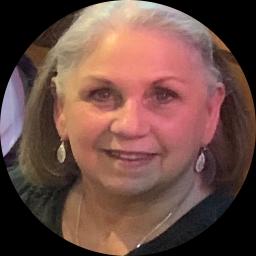
About Vickie
Vickie Frizzell Pratt is a Licensed Independent Mental Health Practitioner (LIMHP) in Nebraska with 29 years of clinical experience. She works with people dealing with stress, anxiety, depression, bipolar disorder, trauma and abuse, and challenges with self-esteem. Sessions are offered in English and American Sign Language.
Vickie focuses on practical, person-centered care. She listens to what’s happening now and what’s happened before. Together with the person she identifies patterns and small, workable changes to try between sessions.
Her background includes long-term work with trauma and mood concerns. She uses a mix of methods to match the problem - for example, strategies to change unhelpful thoughts, exercises that build emotional connection, and techniques for processing difficult memories.
Vickie also addresses issues that often come up in midlife: caregiving stress, aging and geriatric concerns, blended family dynamics, changing body image, and the strain of chronic illness or cancer. She helps people sort priorities and make clearer decisions about work, relationships, and care responsibilities.
People who meet with her can expect straightforward conversation and concrete steps to practice between sessions. Her work often focuses on coping skills, communication problems, and repairing attachment difficulties when those show up in day-to-day life.
Therapeutic approaches and online sessions
Client-Centered Therapy focuses on the person’s experience and priorities. The therapist listens closely and helps the person name what matters most and what to address first. Cognitive Behavioral Therapy (CBT) looks at the links between thoughts, feelings, and actions and introduces practical exercises to change unhelpful patterns. Emotionally-Focused Therapy (EFT) helps people identify and shift emotional patterns that show up in relationships and personal responses.Finding the right approach is part of the work. Vickie will discuss how different methods might fit the problem, goals, and preferences. The decision about which approach to use is collaborative and can change as progress is made.
The biography does not list which remote session formats are used, so confirm current options before booking. Online sessions can make it easier to fit therapy into a busy day, allow shorter check-ins when needed, and remove the travel time that can block attendance. Therapists can adapt CBT exercises, emotion-focused conversations, and mindfulness practices to remote sessions so people can practice skills between visits.
Areas of expertise
Primary focus
Additional focus areas
Therapeutic approaches
Experience
29+ years
Credentials
Nebraska
Languages
English, American Sign Language
Frequently asked questions
What concerns does she help with?
She helps people with stress, anxiety, depression, bipolar disorder, trauma and abuse, and self-esteem problems. Additional areas include caregiving stress, aging issues, chronic illness, body image, and communication problems.
What is her therapeutic style?
Her style is person-centered and practical. She listens for patterns, works collaboratively, and suggests concrete skills to try between sessions.
How long has she practiced?
She has 29 years of clinical experience working with mood concerns and trauma. That experience includes long-term support for complex life transitions and caregiving stresses.
What credential does she hold and where is she based?
She is a LIMHP, which stands for Licensed Independent Mental Health Practitioner, and she practices in Nebraska.
Which languages are supported in sessions?
Sessions are offered in English and American Sign Language.
What session formats are available?
The biography does not list specific session formats. Please confirm current session options before booking.
How are sessions priced?
Cost varies with location; sessions use a subscription that can be canceled at any time.
How do I begin working with her?
Select the See online therapy options button, complete the short matching questionnaire, and schedule a first session.
Before a first session
- Check that the state license on record covers the state you live in.
- Pick one thing to start with. A whole account of everything that has changed is not needed.
- A profile shows the topics a counselor lists; it is not a diagnosis or a promise of results.
If you feel unsafe right now, call or text 988, or call 911.