- Addiction recovery options
- Motivational interviewing
- CBT and mindfulness
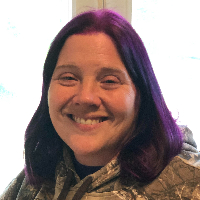
About Shannon
Shannon Gaiser is a Licensed Professional Counselor (LPC) practicing in Pennsylvania with 17 years of clinical experience. She lists work with addiction, co-occurring disorders, depression, anxiety, trauma, and a range of life changes among her primary concerns. Shannon also notes experience supporting people through family dynamics, parenting strains, and career-related stress.
Shannon draws on client-centered methods and motivational interviewing to build practical plans during sessions. She also uses cognitive behavioral techniques and mindfulness strategies to help people notice patterns and experiment with small changes. Sessions often focus on concrete skills for coping with urges, regulating mood, and improving communication.
Her background includes nine years in inpatient and outpatient rehabilitation settings and eight years working alongside a suboxone-prescribing physician in independent practice. That blend of acute-care and outpatient experience informs her approach to addiction-related care and to managing co-occurring mental health concerns.
Shannon reports lived recovery experience from opioid addiction and states she supports alternatives to traditional 12-step programs, including medication-assisted approaches. She says she will work with people who want to combine therapy with other medical treatments.
She notes practical availability for text, video, and voice sessions and typically responds to messages within about five hours on weekdays. Prospective clients are directed to the site workflow to complete a short questionnaire and schedule an initial session.
How her approaches translate to online sessions
Acceptance and Commitment Therapy (ACT) helps people clarify what matters to them and to take small actions toward those values. Online ACT work often includes exercises to notice thoughts and choose behavior that aligns with goals. Cognitive Behavioral Therapy (CBT) focuses on identifying unhelpful thinking and testing new behaviors; online CBT commonly uses worksheets, behavioral experiments, and step-by-step skills practice. Client-Centered Therapy centers the person's experience and emphasizes listening and reflection to help people find their own solutions.Choosing the right approach is part of the work together. Shannon will collaborate with each client to select approaches that match their goals, needs, and preferences. That may mean combining ACT, CBT, and client-centered techniques across sessions as progress is made.
The profile indicates sessions can be delivered by text, video, or voice, though readers should confirm current options before booking. Online formats can make it easier to fit counseling into a busy schedule, allow shorter check-ins when needed, and avoid travel time. These practical benefits can help people manage ongoing treatment alongside work, parenting, or medical care without promising specific outcomes.
Areas of expertise
Primary focus
Also works with
Additional focus areas
Therapeutic approaches
Experience
17+ years
Credentials
Pennsylvania
Languages
English
Frequently asked questions
What concerns does she address?
She works with stress, anxiety, addiction, depression, trauma, grief, and life changes including career and parenting challenges.
How would you describe her therapeutic style?
Her style combines client-centered listening with motivational interviewing and practical cognitive behavioral techniques to make small, manageable changes.
How long has she been practicing?
She has 17 years of clinical experience, including work in inpatient and outpatient rehab and independent practice alongside a suboxone prescriber.
What credentials and location information are on file?
She is an LPC (Licensed Professional Counselor) licensed in Pennsylvania and practices there.
Can I work with her if I'm outside the United States?
Sessions are offered to international clients; prospective clients should confirm any regional considerations before scheduling.
What session formats does she offer?
The therapist notes availability for text, video, and voice sessions; confirm current session options before booking.
How are sessions paid for?
Costs vary by location and sessions use a subscription model that can be canceled at any time.
How do I begin a first session?
Use the site's See online therapy options button, complete a short matching questionnaire, and schedule your first session.
Before a first session
- Check that the state license on record covers the state you live in.
- Pick one thing to start with. A whole account of everything that has changed is not needed.
- A profile shows the topics a counselor lists; it is not a diagnosis or a promise of results.
If you feel unsafe right now, call or text 988, or call 911.