- Stress and anxiety
- Relationship issues
- ACT and CBT methods
About Robin
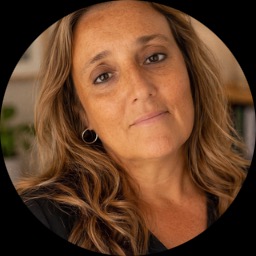
Robin Burns is an LCSW (Licensed Clinical Social Worker) practicing in Texas with 10 years of experience. She works with stress, anxiety, depression, relationship problems, trauma and abuse, and self-esteem concerns. Robin also helps people facing issues related to abandonment, attachment, caregiver strain, chronic illness, and life transitions common in midlife.
Her sessions focus on clear, practical steps. She uses a mix of approaches such as cognitive behavioral techniques, acceptance and commitment ideas, and attachment-informed conversations to identify what is getting in the way day to day. Sessions aim to build coping skills, shift unhelpful patterns, and clarify values that matter to the client.
Robin takes a client-centered stance in the room. That means listening first, asking useful questions, and adapting the work to each person’s needs. She draws on dialectical behavioral strategies when emotions run high and on behavioral tools when patterns need changing.
Clients coming through midlife transitions often talk about work stress, shifting relationships, aging parents, and changes with adult children. Robin helps people sort priorities, set manageable goals, and rebuild a sense of direction. Her work is geared toward steady progress rather than quick fixes.
Practical skills, steady check-ins, and clear action steps make up much of the work. People leave sessions with things to try between meetings and with a plan for the next step. The focus is on what can be changed now and how to live with what cannot.
Therapeutic approaches and online sessions
Acceptance and Commitment Therapy (ACT) encourages people to notice thoughts and feelings without getting stuck in them, and to choose actions that align with their values. It can help when a person feels stuck by worry or avoidance and wants clearer direction. Cognitive Behavioral Therapy (CBT) looks at the links between thoughts, feelings, and behaviors and uses practical exercises to change unhelpful patterns. It is often used for anxiety, depression, and stress-related issues.Finding the right approach is part of the work. The therapist will listen to goals and preferences and then suggest methods to try. Decisions about which techniques to use are made together and can change as progress is made.
Session logistics and formats are not listed in the profile, so confirm current options before booking. Online sessions can make it easier to fit meetings into a weekday break, avoid travel time, or have shorter check-ins when schedules are tight. Speak with the therapist after the matching questionnaire to learn which session styles are offered and how they can fit into everyday life.
Areas of expertise
Primary focus
Additional focus areas
Therapeutic approaches
Experience
10+ years
Credentials
Texas
Languages
English
Frequently asked questions
What concerns does she help with?
She supports people with stress, anxiety, depression, relationship difficulties, trauma and abuse, and low self-esteem. Additional focuses include caregiver stress, attachment and abandonment issues, chronic illness, and aging-related concerns.
What is her general approach in sessions?
Sessions mix client-centered listening with practical techniques from CBT, ACT, and DBT. The work emphasizes skill-building, clearer thinking, and manageable steps between meetings.
How long has she been practicing?
She has ten years of clinical experience working with adults on a range of emotional and life challenges.
Where does she practice and what are her credentials?
Robin is an LCSW licensed in Texas and practices there.
In which languages are sessions offered?
Sessions are offered in English.
Can people outside the United States work with her?
She does not accept international clients at this time.
What session formats are available?
Please confirm current session options before booking, as formats are not specified in the profile.
How do fees and scheduling work?
Cost varies by location and sessions use a subscription that can be canceled at any time. To start, complete the short matching questionnaire and schedule a first session.
Before a first session
- Check that the state license on record covers the state you live in.
- Pick one thing to start with. A whole account of everything that has changed is not needed.
- A profile shows the topics a counselor lists; it is not a diagnosis or a promise of results.
If you feel unsafe right now, call or text 988, or call 911.