- Stress and anxiety
- Trauma and EMDR
- Communication work
About Rhonda
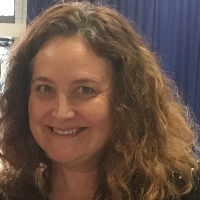
Rhonda Hunt is a Licensed Marriage and Family Therapist (LMFT) in California with 20 years of clinical experience. She focuses on stress, anxiety, depression, relationship and family concerns, trauma and abuse, and midlife transitions among other life changes.
Rhonda helps people notice patterns that get in the way of feeling settled. She listens for how past family dynamics, shame, or abandonment shape current choices. Sessions often include work on communication, self-esteem, anger, and navigating parenting or fatherhood questions.
Her style is collaborative and practical. She uses conversational, client-centered work alongside cognitive behavioral techniques to identify thoughts and habits that keep problems active. Mindfulness practices are offered to improve emotional noticing and reduce reactivity in tense moments.
For people carrying complex trauma, EMDR is part of her approach to reduce the intensity of painful memories. She also integrates Imago relationship ideas when relationship patterns and communication are a central concern.
Rhonda frames therapy as goal-focused and stepwise. Clients set short-term goals such as managing panic attacks, improving communication, or coping with grief and then track progress. She supports people working through issues like codependency, money stress, life purpose, and midlife questions.
Sessions are conducted in English from California. Rhonda has worked with clients on addictions, LGBT concerns, compassion fatigue, and post-traumatic stress across a wide range of life transitions.
Approaches used in online sessions
Rhonda uses client-centered work to keep the focus on the person's experience and priorities. This approach involves open listening and reflecting so people can decide what matters most and set meaningful goals. It is useful for sorting life purpose, self-esteem, and relationship questions.She also uses cognitive behavioral therapy, which helps identify and change unhelpful thoughts and behaviors that fuel anxiety, panic, and mood problems. CBT offers concrete tools people can use between sessions to manage symptoms and test new ways of responding.
For trauma-related symptoms, Rhonda includes EMDR as a clinical option to reduce the emotional intensity of painful memories and improve daily functioning. EMDR is presented as a step in treatment when past events are a clear barrier to feeling settled.
Finding the right combination of methods is part of the work. She will review your concerns and preferences and collaborate on a plan that fits your goals. That plan can shift over time as progress or new needs emerge.
Confirm the current session formats before booking, as the biography does not list specific formats. Online sessions can make it easier to fit therapy into workdays, handle shorter check-ins between other commitments, or choose audio-only contacts when video is not convenient. Discuss scheduling needs during the matching process so sessions can fit into everyday life.
Areas of expertise
Primary focus
Also works with
Additional focus areas
Therapeutic approaches
Experience
20+ years
Credentials
California
Languages
English
Frequently asked questions
What concerns does she help with?
She supports people facing stress, anxiety, depression, relationship and family issues, trauma and midlife transitions among other concerns.
What is her therapeutic style?
Her style is collaborative and practical, combining client-centered conversations with behavioral techniques and mindfulness practice.
How much experience does she have?
She has 20 years of clinical experience as a therapist practicing in California.
What are her credentials and location?
She practices as an LMFT in California.
Which languages does she offer sessions in?
Sessions are offered in English.
Does she work with international clients?
She does not accept international clients at this time.
How does payment work and what does it cost?
Cost varies with location; sessions use a subscription that can be canceled at any time.
How do I get started with her?
Select the See online therapy options button, complete a short matching questionnaire, and schedule a first session.
Before a first session
- Check that the state license on record covers the state you live in.
- Pick one thing to start with. A whole account of everything that has changed is not needed.
- A profile shows the topics a counselor lists; it is not a diagnosis or a promise of results.
If you feel unsafe right now, call or text 988, or call 911.