- Anxiety and depression
- Parenting and fatherhood
- Motivational Interviewing
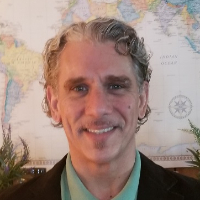
About Paul
Paul Pasternak is a Licensed Mental Health Counselor (LMHC) in New York with 25 years of experience. He works with people facing anxiety, depression, relationship and parenting challenges, addiction, and major life changes. He also addresses concerns linked to aging, caregiver stress, and feelings of emptiness or isolation.
Paul uses a client-centered, strength-based way of working. He listens for the change a person wants and helps build a practical plan to get there. Motivational Interviewing and Cognitive Behavioral Therapy (CBT) are his main tools. Sessions focus on clear goals, small experiments, and tracking progress.
In practice he helps people sort immediate problems and longer-term patterns. That might mean coping strategies for stress, tackling alcohol or drug misuse, rebuilding trust after infidelity, or finding direction in a stalled career. He also supports those facing grief or the stresses of caregiving for aging relatives.
Paul creates a targeted care plan with each person. The plan outlines steps, skills to practice, and ways to measure progress. He adjusts the plan over time based on what works and what doesn't.
He describes therapy as practical work that requires effort and hope. Sessions are focused on concrete changes rather than vague talk. Paul practices in New York and conducts work in English.
How his approaches translate to remote work
Paul uses Client-Centered Therapy, Cognitive Behavioral Therapy (CBT), and Motivational Interviewing in his work. Client-Centered Therapy focuses on listening closely and letting the person's goals direct the process. It helps when someone wants to clarify values or decide what to change. CBT breaks problems into thoughts, feelings, and actions and teaches practical exercises to shift patterns. It is useful for anxiety, depression, and stress. Motivational Interviewing helps people resolve mixed feelings about change and strengthens commitment to specific steps forward.Finding the right mix of methods is part of the work. Paul will collaborate with each person to decide which approaches fit their needs and goals. He starts with the client's priorities, tries tools in-session, and adjusts based on what helps.
The biography does not specify which online session formats he uses, so confirm current options before booking. Remote sessions can make it easier to fit therapy into a busy week, allow shorter check-ins when needed, and remove travel time. They also let people practice real-life changes between sessions and bring examples from day-to-day life into conversation.
Areas of expertise
Primary focus
Also works with
Additional focus areas
Therapeutic approaches
Experience
25+ years
Credentials
New York
Languages
English
Frequently asked questions
What kinds of midlife issues does he help with?
He supports people dealing with anxiety, depression, relationship strain, parenting challenges, addiction, caregiver stress, and other life transitions common in midlife.
What is his therapeutic style?
He practices a client-centered, strength-based approach and uses Motivational Interviewing alongside Cognitive Behavioral Therapy to set goals and build practical skills.
How long has he worked as a counselor?
He has 25 years of experience working with individuals in a range of settings and issues.
Where is he licensed and based?
He is a Licensed Mental Health Counselor (LMHC) in New York and practices there.
Does he work in languages other than English?
Sessions are offered in English only.
What session formats are available?
The original biography does not list specific session formats; please confirm current session options before booking.
How are sessions paid for?
Cost varies by location; sessions use a subscription that can be canceled at any time.
How do I begin with him?
Select the See online therapy options button, complete a short matching questionnaire, and schedule a first session.
Before a first session
- Check that the state license on record covers the state you live in.
- Pick one thing to start with. A whole account of everything that has changed is not needed.
- A profile shows the topics a counselor lists; it is not a diagnosis or a promise of results.
If you feel unsafe right now, call or text 988, or call 911.