- Stress and anxiety
- Drug and alcohol addiction
- Communication problems
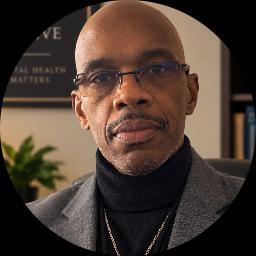
About Patrick
Patrick Scott is an LPC (Licensed Professional Counselor) licensed in Connecticut with 20 years of professional experience. He helps people with stress, anxiety, addictions, relationship problems, depression, and coping with life changes, including concerns often described as a midlife crisis.
He keeps sessions straightforward and focused. Conversations cover what feels most urgent right now - work stress, shifting relationships, parenting transitions, or worries about aging and health. He listens for patterns such as codependency, communication problems, infidelity, or substance use, and helps people sort out next steps.
In practical work he breaks big issues into manageable tasks. That can mean setting short-term goals, practicing clearer ways to talk with others, or making a concrete plan to reduce alcohol or drug use. Sessions often include behavioral ideas and problem-solving tailored to each person’s situation.
Patrick draws on twenty years of front-line counseling experience in Connecticut. He aims to be direct and steady during conversations, helping people weigh options and try different approaches. He works in English and accepts international clients.
People who come for help leave sessions with clear next steps they can try between meetings. Getting started involves a simple matching process and scheduling a first appointment, so practical planning begins from the first contact.
How therapeutic approaches translate to online sessions
Evidence-based therapeutic techniques include brief behavioral strategies that focus on changing specific actions and routines. These approaches break problems into small experiments and practical tasks, which can help with anxiety, stress, and substance use by giving clear steps to practice between sessions.Another common approach is communication skills work, which teaches concrete ways to express needs, set boundaries, and manage conflict. This can be useful for relationship stress, codependency patterns, and rebuilding trust after infidelity.
Finding the right method is part of the work. The therapist will discuss options with each person and decide together which techniques fit current needs, goals, and preferences. That collaborative decision shapes session structure and homework.
The original biography does not list specific supported online formats, so confirm available session options before booking. Online work can make it easier to fit therapy into a busy week, allow shorter check-ins when needed, and remove travel time. It also lets people keep appointments from different locations and try sessions without rearranging a full day.
Areas of expertise
Primary focus
Additional focus areas
Experience
20+ years
Credentials
Connecticut
Languages
English
Frequently asked questions
What concerns does he address?
He works with stress, anxiety, addictions, relationship difficulties, depression, and coping with life changes, including midlife concerns.
What is his therapeutic style?
Sessions are practical and conversational, focusing on short-term goals, clearer communication, and step-by-step problem solving.
How much experience does he have?
He has 20 years of professional counseling experience working with a range of issues related to stress, addiction, and relationships.
What are his credentials and where is he based?
He is an LPC, licensed in Connecticut, and practices with that credential in mind.
Which languages are supported?
Sessions are offered in English and he accepts international clients.
What session formats are available?
The original biography does not specify session formats; please confirm current session options before booking.
How does cost work?
Cost varies with location and sessions use a subscription that can be canceled at any time.
How do I start a first session?
Select the See online therapy options button, complete a short matching questionnaire, and schedule a first session.
Before a first session
- Check that the state license on record covers the state you live in.
- Pick one thing to start with. A whole account of everything that has changed is not needed.
- A profile shows the topics a counselor lists; it is not a diagnosis or a promise of results.
If you feel unsafe right now, call or text 988, or call 911.