- Attachment work
- Cognitive behavioral tools
- EMDR for trauma
About Patricia
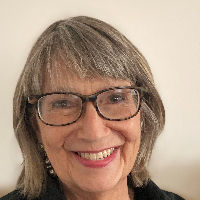
Patricia Manning is an LPC - Licensed Professional Counselor with 11 years of clinical experience based in Oregon. She works with stress, anxiety, family concerns, trauma and abuse, parenting challenges, self-esteem, relationship problems, grief, intimacy-related issues, anger, career questions, depression, coping with life changes, compassion fatigue, and ADHD.
Manning began her work with children and families while studying psychology, then served in child protection, permanency planning, and adoption services. She has experience in foster care, residential treatment, psychiatric hospitals, alternative schools, and a shelter for people affected by domestic violence and sexual assault. She completed a Master of Arts in Mental Health Counseling in 2008 from Webster University.
Her clinical outlook draws on existential ideas about loss, responsibility, and meaning, combined with a biopsychosocial perspective that takes life context into account. In practice she uses a client-centered stance and a mix of researched methods. That toolbox includes cognitive behavioral techniques, dialectical behavior strategies, attachment-focused work, and EMDR for trauma processing.
Sessions focus on concrete skills and clear goals. She helps people learn coping skills, manage strong emotions, and examine patterns that get in the way of relationships or work. When trauma is central, she uses targeted methods aimed at reducing distress and improving day-to-day functioning.
Manning describes therapy as collaborative and direct. She will both support people as they gain new skills and challenge choices that feel self-sabotaging. To begin, readers are invited to review online options and complete a short matching questionnaire before scheduling a first session.
How her methods translate to online sessions
Attachment-Based Therapy focuses on patterns in relationships and how early bonds shape current trust and closeness. Online work can include talking through relationship patterns, noticing how you react to others, and practicing different ways of connecting. Cognitive Behavioral Therapy (CBT) looks at thoughts, feelings, and behaviors and teaches practical tools for managing anxiety, depression, and daily stress. In an online session CBT can involve setting small behavioral experiments and rehearsing new responses between meetings. Eye Movement Desensitization and Reprocessing (EMDR) is used for trauma processing and involves guided processing of distressing memories; done carefully, aspects of EMDR can be adapted for remote sessions under clinical guidance.Finding the right approach is part of the work. The therapist will help decide which methods fit best based on your goals, symptoms, and preferences. That choice is made together and can shift as progress is made or new needs appear.
Specific session formats are not listed here, so confirm the current options before booking. Online work can make it easier to fit therapy into a busy week, reduce travel time, and allow shorter check-ins when needed. It can also let people use sessions during a lunch break or from a quieter spot, and certain tools like worksheets or skill practice transfer well to a remote setting. Licensed professionals will collaborate on planning sessions that fit daily life while focusing on the clinical work you want to do.
Areas of expertise
Primary focus
Also works with
Additional focus areas
Therapeutic approaches
Experience
11+ years
Credentials
South Carolina, Oregon
Languages
English
Frequently asked questions
What kinds of concerns does she address?
She works with stress, anxiety, family issues, trauma and abuse, parenting, self-esteem, relationship problems, grief, intimacy issues, anger, career concerns, depression, ADHD and coping with life changes.
What is her therapeutic style?
She uses a client-centered approach combined with existential and biopsychosocial perspectives, focusing on clear skills, goals, and practical work in the session.
How much experience does she have?
She has 11 years of clinical experience working across child welfare, residential treatment, hospitals, and community settings.
What are her credentials and where is she located?
She is an LPC - Licensed Professional Counselor with licensure indicated as SC LPC and OR LPC, and she practices in Oregon.
Which languages are supported?
Sessions are offered in English.
Can people outside the United States work with her?
International clients are not currently accepted.
How are sessions priced?
Cost varies with location and sessions use a subscription model that can be canceled at any time.
How do I get started?
Select the See online therapy options button, complete a short matching questionnaire, and then schedule a first session.
Before a first session
- Check that the state license on record covers the state you live in.
- Pick one thing to start with. A whole account of everything that has changed is not needed.
- A profile shows the topics a counselor lists; it is not a diagnosis or a promise of results.
If you feel unsafe right now, call or text 988, or call 911.