- Attachment work
- Cognitive behavioral tools
- Relationship skills
About Monica
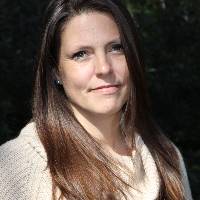
Monica Cruz is a Licensed Clinical Social Worker (LCSW) practicing in Louisiana with 16 years of experience. She works with people facing stress, anxiety, relationship challenges, trauma and abuse, bipolar disorder, depression, addictions, LGBT concerns, grief, and midlife changes. She also lists help for issues such as parenting, sleep and eating struggles, anger, self-esteem, career concerns, and coping with life changes.
Monica focuses on practical problem solving and goal setting. She listens, helps clarify priorities, and works with clients to build step-by-step plans they can manage. Sessions emphasize concrete skills and actions rather than abstract theory.
Her background includes long-term clinical work helping people from varied cultural backgrounds. Monica uses behavioral approaches alongside attachment-based and client-centered ideas to address patterns in relationships and everyday routines. She also draws on cognitive-behavioral and dialectical skills where those fit the issue.
People meet to identify small achievable steps and practice them between sessions. Monica pays attention to how relationships, past wounds, and current stressors interact. She helps clients notice patterns, test new behaviors, and track progress over time.
Her work also touches on complex concerns such as abandonment, attachment wounds, codependency, blended family issues, and intimacy-related matters including kink and alternative sexual cultures. Monica aims to create clear, usable plans so people can make steady changes and feel more in control of daily life.
Approaches used in online sessions and how they help
Monica integrates attachment-based work, client-centered methods, and cognitive-behavioral techniques in her practice. Attachment-based work looks at how early relationship patterns show up now and helps people change how they relate to partners or close others. Client-centered methods focus on listening and reflecting so the client sets the pace and goals. Cognitive-behavioral techniques teach concrete skills to reduce distress, shift unhelpful thinking, and change behaviors that keep problems going.Finding the right approach is part of the work. Monica will collaborate with each person to decide which combination of methods fits their needs, goals, and preferences. That means trying tools, checking what helps, and making adjustments together rather than using a single fixed method.
Session formats are not specified in the biography, so confirm current online options before booking. Online sessions can make it easier to fit therapy into a busy life - for example, shorter check-ins during a lunch break, a session without commuting, or using video when seeing facial cues matters. Monica aims to match approach and scheduling to practical everyday needs while supporting progress over time.
Areas of expertise
Primary focus
Also works with
Additional focus areas
Therapeutic approaches
Experience
16+ years
Credentials
Louisiana
Languages
English
Frequently asked questions
What concerns does she address?
She works with stress, anxiety, relationship problems, trauma and abuse, bipolar disorder, depression, addictions, LGBT concerns, grief, parenting, and related midlife concerns.
What is her therapeutic style?
Her style is practical and problem-focused, using behavioral skills, attachment ideas, and goal setting to create manageable steps clients can try between sessions.
How much experience does she have?
She has 16 years of clinical experience working with people from a range of cultural backgrounds.
What are her credentials and where is she based?
She is an LCSW licensed in Louisiana and practices from that state.
Which languages are supported?
Sessions are offered in English.
Does she work with international clients?
She does not accept international clients at this time.
How much do sessions cost?
Cost varies with location and sessions use a subscription model that can be canceled at any time.
How do I begin a session?
Start by selecting the See online therapy options button, complete a short matching questionnaire, and schedule your first session.
Before a first session
- Check that the state license on record covers the state you live in.
- Pick one thing to start with. A whole account of everything that has changed is not needed.
- A profile shows the topics a counselor lists; it is not a diagnosis or a promise of results.
If you feel unsafe right now, call or text 988, or call 911.