- Depression support
- Relationship work
- Self esteem
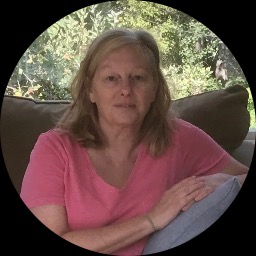
About Mary
Mary Yost is a Licensed Clinical Mental Health Counselor (LCMHC) practicing in New Hampshire with 29 years of experience. She focuses on depression, relationship and intimacy-related issues, addictions, self-esteem, and midlife concerns such as caregiver stress and life transitions. Mary works with people who are sorting through changes in work, health, parenting roles, and relationships.
Her approach mixes practical therapy methods with straightforward conversation. She uses Acceptance and Commitment Therapy (ACT) to clarify values and move toward meaningful action. Cognitive Behavioral Therapy (CBT) and Dialectical Behavior Therapy (DBT) are part of her toolbox for managing difficult thoughts, mood, and emotional regulation. Attachment-Based and Client-Centered methods shape how she pays attention to connection, trust, and how people relate to others.
Sessions tend to focus on concrete skills and clearer next steps. Mary helps people practice communication, set boundaries, and handle caregiving strain. She also works on substance use and codependency patterns through goal-oriented techniques.
Across her work she addresses issues tied to aging, adoption and foster care histories, chronic illness or pain, cancer, and autism-related concerns. She helps clients name what's most pressing and decide which tools to try first.
Mary offers therapy in English from New Hampshire. Prospective clients should confirm current session options before booking and follow the site's process to schedule a first appointment.
How her approaches translate to online work
Mary commonly uses Acceptance and Commitment Therapy (ACT) to help people identify what matters to them and take small steps toward those values. ACT is useful for addressing low motivation, life changes, and the sense of being stuck.She also draws on Cognitive Behavioral Therapy (CBT) to spot and shift unhelpful thoughts and behaviors. CBT is practical for depression, anxiety, and patterns that affect relationships. Attachment-Based Therapy informs how she addresses trust, communication, and long-standing relationship expectations in sessions.
Finding the right approach is part of the work. Mary will talk with each client about goals, preferences, and what feels most helpful. Together they decide which methods to try and adjust them as needed over time.
Session formats are not specified in the biography, so confirm current online options before booking. Online sessions can make it easier to fit therapy around work, caregiving, and medical appointments. They can also allow shorter check-ins or audio-only conversations when a video call is not practical, helping therapy fit into an everyday schedule without requiring travel.
Areas of expertise
Primary focus
Additional focus areas
Therapeutic approaches
Experience
29+ years
Credentials
New Hampshire
Languages
English
Frequently asked questions
What kinds of problems does she help with?
She works with depression, addictions, relationship and intimacy-related concerns, self-esteem, and issues common in midlife such as caregiver stress and life transitions.
What is her therapeutic style?
Her style is practical and person-centered, using several approaches to suit the client's needs and focusing on skills and clear next steps.
How much experience does she have?
Mary has 29 years of clinical experience working with a wide range of emotional and relationship issues.
What are her credentials and where does she practice?
She holds the LCMHC credential and practices in New Hampshire.
Which languages are supported?
Sessions are offered in English.
Does she accept international clients?
She does not accept international clients currently.
How are sessions priced?
Costs vary by location; sessions use a subscription that can be canceled at any time.
How do I start a first session?
Select the See online therapy options button, complete the short matching questionnaire, and schedule a first session through the site.
Before a first session
- Check that the state license on record covers the state you live in.
- Pick one thing to start with. A whole account of everything that has changed is not needed.
- A profile shows the topics a counselor lists; it is not a diagnosis or a promise of results.
If you feel unsafe right now, call or text 988, or call 911.