- Attachment-Based Therapy
- Cognitive Behavioral Therapy
- Mindfulness practices
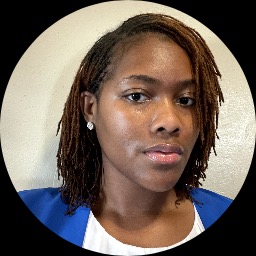
About Leslie
Dr. Leslie Davis is a Licensed Clinical Social Worker (LCSW) practicing in Virginia with ten years of professional experience. She helps people who are feeling stressed, anxious, depressed, or strained by relationship and family conflict. She also works with those affected by trauma and abuse and with people navigating life changes common in midlife.
Her approach is straightforward and conversational. Sessions focus on clear goals, practical steps, and learning new ways to handle strong emotions. She uses Attachment-Based ideas to look at how early bonds affect current relationships, and Cognitive Behavioral Therapy techniques to identify and change unhelpful thinking and behavior.
Dr. Davis also draws on Emotionally-Focused Therapy to address intimacy and connection issues, and incorporates mindfulness practices when slowing down and noticing the present moment helps. In session she emphasizes collaborative problem solving and short-term skills that can be used between meetings.
Over a decade she has worked with a range of concerns from addiction and bipolar mood issues to grief, parenting strain, and career pressures. She pays attention to relational patterns such as abandonment, attachment difficulties, codependency, and blended-family struggles.
People in their 40s and 50s often seek her out when they are re-evaluating work, relationships, caregiving roles, or personal goals. Her focus is on practical, actionable steps that help people move forward when life feels stuck.
How her approaches translate to online work
Dr. Davis commonly uses Attachment-Based Therapy to examine how early relationship patterns shape current interactions; this helps when connection or trust feels difficult. She also relies on Cognitive Behavioral Therapy to map thoughts, feelings, and behaviors and teach concrete skills for coping with anxiety, depression, and impulsivity.Choosing the right approach is a collaborative process. She will talk with the client about their goals, try methods that fit those goals, and adjust the plan as needed. Clients and therapist decide together what techniques are most useful for the situation at hand.
Confirm the current session formats before booking, as the biography does not list specific options. Online work can make it easier to fit sessions into a busy day by removing travel time and allowing short check-ins when schedules are tight. It can also allow quieter, camera-free conversations if that helps someone engage. Practical benefits include keeping therapy consistent during life transitions and building skills that are practiced between meetings.
Areas of expertise
Primary focus
Also works with
Additional focus areas
Therapeutic approaches
Experience
10+ years
Credentials
Virginia
Languages
English
Frequently asked questions
What concerns does she help with?
She works with stress, anxiety, depression, relationship and family conflict, trauma and abuse, addictions, grief, parenting strain, career issues, and midlife adjustments.
What is her therapeutic style?
Her style is conversational and goal-focused. She combines attachment work, CBT skills, EFT strategies, and mindfulness to address emotions and relationships.
How much experience does she have?
Dr. Davis has ten years of professional experience supporting people with a wide range of concerns.
What credential and location does she hold?
She is a Virginia Licensed Clinical Social Worker (LCSW) practicing in Virginia.
Which languages are supported?
Sessions are offered in English.
Are international clients accepted?
She does not accept international clients at this time.
How are sessions paid for?
Cost varies with location and sessions use a subscription that can be canceled at any time.
How do I begin a first session?
Select the See online therapy options button, complete a short matching questionnaire, and schedule a first session.
Before a first session
- Check that the state license on record covers the state you live in.
- Pick one thing to start with. A whole account of everything that has changed is not needed.
- A profile shows the topics a counselor lists; it is not a diagnosis or a promise of results.
If you feel unsafe right now, call or text 988, or call 911.