- Stress and anxiety
- Addiction support
- Attachment work
About Janice
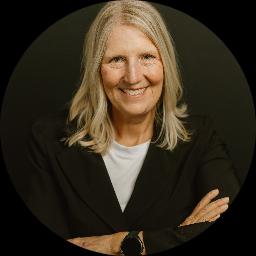
Janice Terry is a Licensed Clinical Social Worker (LCSW) based in Texas with 26 years of experience. She works with people dealing with stress, anxiety, addiction, relationship and family concerns, depression, trauma and abuse, grief, and other life changes common in midlife.
Janice practices in a direct, skills-based way. She teaches coping and communication skills and helps people set practical goals. Sessions focus on clear steps clients can use between meetings to manage sleep, mood, substance use, and daily stressors.
Her background includes extensive clinical work with adults across a wide range of concerns such as ADHD, bipolar mood challenges, intimacy and sexual issues, eating and body image problems, and caregiver stress. She also addresses abandonment and attachment issues that often reappear in middle years as roles and relationships shift.
Janice blends approaches from attachment-based work, client-centered therapy, cognitive behavioral techniques, dialectical behavior strategies, and emotionally-focused methods. She adapts what she uses to the person in front of her and the problems they bring, explaining tools in clear, everyday language.
People often come to her when they feel stuck at a career crossroads, strained by family demands, facing grief, or unsure how to handle changing relationships. She guides clients toward practical changes and improved ways of managing feelings and actions.
How her approaches translate to online sessions
Attachment-based work focuses on patterns in close relationships and helps people notice how past bonds shape present reactions. In online sessions this looks like talking through relationship patterns and practicing new ways of connecting or setting boundaries. Client-centered therapy values the person’s own goals and pace, with the therapist listening, reflecting, and helping the client decide next steps that fit their life. Cognitive behavioral therapy (CBT) breaks problems into thoughts, feelings, and actions, and teaches concrete techniques to change unhelpful patterns; it is often used for anxiety, insomnia, and managing mood.Finding the right mix is collaborative. The therapist will discuss goals, preferences, and what has worked before. Together they pick approaches and tools that make sense for the client’s situation and schedule.
Session formats are not listed in the biography, so confirm current options before booking. Many people appreciate online meetings because they can fit sessions into work breaks, avoid travel time, use shorter check-ins when needed, or choose an option that doesn’t require video. Ask about the available formats when you complete the matching questionnaire so sessions can be arranged to fit daily life.
Areas of expertise
Primary focus
Also works with
Additional focus areas
Therapeutic approaches
Experience
26+ years
Credentials
Texas
Languages
English
Frequently asked questions
What concerns does she work with?
She helps people with stress, anxiety, addictions, relationship and family issues, depression, trauma, grief, and midlife changes.
What’s her therapeutic style?
She uses practical skills teaching and conversational, client-centered sessions that include cognitive behavioral and attachment-informed techniques.
How much experience does she have?
She has 26 years of clinical experience working with a wide range of concerns across the lifespan.
What are her credentials and where is she located?
She is a Licensed Clinical Social Worker (LCSW) licensed in Texas and practices from that state.
Which languages are supported?
Sessions are offered in English.
Does she work with international clients?
She does not accept international clients at this time.
How are sessions arranged and what do they cost?
Cost varies with location; sessions use a subscription that can be canceled at any time.
How do I get started?
Select the See online therapy options button, complete a short matching questionnaire, and schedule a first session.
Before a first session
- Check that the state license on record covers the state you live in.
- Pick one thing to start with. A whole account of everything that has changed is not needed.
- A profile shows the topics a counselor lists; it is not a diagnosis or a promise of results.
If you feel unsafe right now, call or text 988, or call 911.