- Stress and anxiety
- LGBT identity support
- Midlife transitions
About Hope
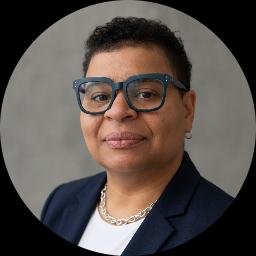
Hope Striving is an Ohio LPCC (Licensed Professional Clinical Counselor) with 16 years of clinical experience helping people with stress, anxiety, LGBT concerns, grief, depression, and ADHD. Hope works with adults facing life transitions and the specific strains that arrive in midlife. They are non-binary and provide care that attends to identity and life-stage questions.
Hope focuses on practical, evidence-based approaches rather than labels. Sessions often include talking through what feels most urgent, learning ways to manage symptoms like panic or intrusive thoughts, and improving everyday communication. Hope also supports people dealing with chronic pain or illness, codependency, control issues, and the isolation that can come with major life changes.
Work with Hope tends to be person-centered and trauma-informed. That means conversations follow the client’s pace and past events are considered when planning how to cope now. Expect direct skill-building alongside time to reflect on values and life purpose.
Hope has particular experience supporting LGBT people through identity exploration, gender dysphoria, and related stressors. They also help people manage mood disorders, OCD symptoms, and the practical fallout of divorce or separation.
Practical matters are part of sessions too. Hope talks about communication strategies, ways to handle impulsivity or dependency patterns, and steps to navigate caregiving or aging-parent concerns. People in midlife often come to explore purpose, reduce loneliness, or find a clearer path forward, and Hope approaches these topics in straightforward, grounded sessions.
Evidence-based methods and online sessions that fit midlife needs
Hope uses a range of evidence-based therapeutic techniques designed to reduce symptoms and build practical skills. Cognitive approaches help identify and shift unhelpful thinking patterns that feed anxiety and depression. Behavioral strategies focus on building routines and coping tools for panic, OCD symptoms, and impulsivity. Trauma-informed, person-centered care pays attention to past events while working on present-day goals and relationships.Choosing the right approach is part of the work. Hope collaborates with each person to figure out which methods match their goals, pace, and comfort level. That collaborative process includes trying approaches, checking whether they help, and adjusting the plan over time.
The biography does not list specific session formats, so confirm current online options before booking. Many people in midlife find online sessions helpful because they can fit therapy into a workday, reduce travel time, or make regular check-ins more consistent. Phone sessions can allow for shorter check-ins when bandwidth or visual attention is limited, and video sessions support face-to-face interaction when discussing emotion or relationship issues. Discuss format preferences during the matching process to find what fits daily life best.
Areas of expertise
Primary focus
Additional focus areas
Experience
16+ years
Credentials
Ohio
Languages
English
Frequently asked questions
What concerns does Hope work with?
Hope helps people with stress, anxiety, grief, depression, ADHD, and LGBT-related concerns. Additional focus areas include midlife transition issues, chronic pain, codependency, and communication problems.
What is Hope's therapeutic style?
Hope uses person-centered, trauma-informed care and evidence-based techniques. Sessions combine skill-building with reflective conversation to address current problems and life-stage questions.
How much clinical experience does Hope have?
Hope has 16 years of experience working with adults through transitions, mood concerns, OCD symptoms, and identity issues.
What credentials and location apply?
Hope holds the LPCC credential and practices in Ohio.
Which languages are supported?
Sessions are offered in English.
Can international clients work with Hope?
Hope does not accept international clients at this time.
What formats are offered for sessions?
Session formats are not specified in the biography; please confirm current session options before booking.
How are fees and scheduling handled?
Cost varies with location and sessions use a subscription that can be canceled at any time. To start, complete the short matching questionnaire and schedule a first session via the See online therapy options button.
Before a first session
- Check that the state license on record covers the state you live in.
- Pick one thing to start with. A whole account of everything that has changed is not needed.
- A profile shows the topics a counselor lists; it is not a diagnosis or a promise of results.
If you feel unsafe right now, call or text 988, or call 911.