- Trauma informed
- CBT and DBT
- Grief and transitions
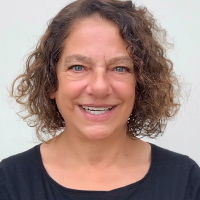
About Emily
Emily Salkever-Scott is a Licensed Professional Counselor (LPC) and a Licensed Clinical Mental Health Counselor (LCMHC) with seven years of practice. She works with people facing anxiety, depression, grief, relationship and intimacy concerns, and major life changes. Emily emphasizes a trauma-informed, person-centered approach and focuses on what each person wants to get from therapy.
She uses cognitive behavioral techniques to help people notice and shift unhelpful thoughts and behaviors. Dialectical behavior approaches are part of her work for managing strong emotions and building practical coping skills. Emily also draws on Acceptance and Commitment Therapy ideas to help people clarify values and take meaningful steps forward.
Sessions are conversational and goal-oriented. Emily listens for what matters to the client and then suggests small, clear experiments to try between sessions. She often combines skill practice with reflection about relationship patterns and attachment histories. This can help when trust has been broken or when intimacy feels difficult.
Emily has experience supporting people through grief, trauma and addiction, and she also addresses parenting strain, caregiver stress, sleep problems, ADHD-related concerns, and career transitions. She names issues plainly and works on practical strategies for day-to-day life.
Emily accepts international clients and conducts sessions in English. She asks new clients to complete a short matching questionnaire and then schedule a first session. Costs vary by location and are provided through a cancellable subscription model.
How her approaches translate to online sessions
Acceptance and Commitment Therapy helps people notice what matters to them and take steps that match those values. Online sessions can focus on identifying small, practical actions and testing them between meetings. Cognitive Behavioral Therapy breaks problems into thoughts, feelings and behaviors and teaches specific skills to change patterns; it works well through structured, skills-focused conversations over video or phone.Finding the right approach is part of the work. Emily will collaborate with each person to decide whether ACT, CBT, or other methods fit their goals and preferences. That joint planning shapes session pacing, homework, and which skills to prioritize.
Check the booking process to confirm which session formats she currently offers. Online sessions can make it easier to fit therapy into workdays, caregiving schedules, or long commutes. They also allow for flexible check-ins and focused skills practice without needing to travel, which many people find helps sustain regular progress.
Areas of expertise
Also works with
Additional focus areas
Therapeutic approaches
Experience
7+ years
Credentials
Pennsylvania, New Hampshire
Languages
English
Frequently asked questions
What concerns does she address?
She helps with anxiety, depression, grief, trauma and relationship or intimacy issues, plus caregiving stress, sleep problems, addiction, and career changes.
What is her therapeutic style?
Her style is person-centered and trauma-informed, combining practical skill work with conversational reflection to meet stated goals.
How much experience does she have?
Emily has seven years of clinical experience working with a range of concerns including trauma, mood disorders, and addiction.
What are her credentials and where is she based?
She holds LPC and LCMHC credentials and practices out of New Hampshire, licensed as PA LPC and NH LCMHC.
In which language are sessions offered?
Sessions are offered in English.
Does she work with international clients?
Yes, she accepts international clients.
How are sessions scheduled and what formats are available?
Before booking, clients complete a short matching questionnaire and then schedule a first session; confirm current session format options during that process.
How does payment work?
Costs vary by location and sessions use a subscription that can be canceled at any time.
Before a first session
- Check that the state license on record covers the state you live in.
- Pick one thing to start with. A whole account of everything that has changed is not needed.
- A profile shows the topics a counselor lists; it is not a diagnosis or a promise of results.
If you feel unsafe right now, call or text 988, or call 911.