- Cognitive Behavioral Therapy
- Emotionally-Focused tools
- Gottman Method elements
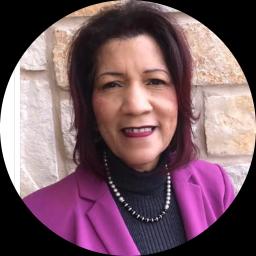
About Dianne
Dianne Dabney is an LPC (Licensed Professional Counselor) practicing in Texas with five years of clinical experience. She helps people facing stress, anxiety, relationship strains, anger, depression, addictions, grief, parenting challenges, and life changes. She also works with concerns like ADHD, self-esteem, compassion fatigue, and intimacy-related issues.
Dianne primarily uses Cognitive Behavioral Therapy, focusing on how thoughts and behaviors affect feelings. She combines that with an eclectic mix of approaches when helpful. Sessions tend to focus on practical skills and clear steps people can try between meetings.
Her background includes work across a range of ages, from younger adults to older adults. She describes using motivational techniques and reality-based strategies to support change. Her approach aims to make psychological concepts straightforward and actionable.
Dianne has experience with relationship-focused tools and approaches that address communication and attachment concerns. That includes techniques drawn from Emotionally-Focused Therapy and the Gottman Method to address patterns that keep conflict repeating. She also uses elements of Dialectical Behavior Therapy where managing strong emotions is a priority.
People often come to her when a life transition has left them unsure what to do next. In sessions she will identify practical options, rehearse responses, and track small changes. The work is presented in simple steps so progress can be measured over time.
How therapeutic approaches translate to online work
Dianne uses Cognitive Behavioral Therapy to help people identify and change unhelpful thoughts and behaviors, which can reduce anxiety and depression through specific exercises and homework. She also draws on Dialectical Behavior Therapy methods to teach emotion regulation, distress tolerance, and interpersonal effectiveness skills for when feelings are intense.Finding the right approach is collaborative. She will discuss goals, preferences, and what has or hasn’t worked before, then try techniques together. Adjustments are expected over the first few sessions so the plan fits the client’s day-to-day life.
Please confirm the session formats available before booking since the biography does not list them. Online work can make it easier to fit sessions into a busy schedule, allow shorter check-ins when needed, and remove travel time. It can also let people practice skills between meetings in the settings where problems actually occur. Licensed professionals will review practical steps for using these approaches in remote sessions and make small changes as you go.
Areas of expertise
Primary focus
Also works with
Additional focus areas
Therapeutic approaches
Experience
5+ years
Credentials
Texas
Languages
English
Frequently asked questions
What kinds of problems does she help with?
Dianne works with stress, anxiety, depression, anger, addictions, grief, parenting and many life changes listed in her specialties.
What style of therapy does she use?
Her main approach is Cognitive Behavioral Therapy (CBT) supplemented by client-centered methods, DBT skills, EFT ideas and Gottman-informed techniques when appropriate.
How much experience does she have?
She has five years of clinical experience practicing as an LPC in Texas.
Where is she licensed and based?
She is a Licensed Professional Counselor (LPC) practicing in Texas.
Can I work with her if I live outside the US?
Sessions are offered in English and she does not accept international clients at this time.
What session formats are available?
Please confirm current session format options before booking, as the biography does not specify which formats are offered.
How much do sessions cost?
Cost varies with location; sessions use a subscription that can be canceled at any time.
How do I begin a first session?
Select the See online therapy options button, complete the short matching questionnaire, and schedule the first session.
Before a first session
- Check that the state license on record covers the state you live in.
- Pick one thing to start with. A whole account of everything that has changed is not needed.
- A profile shows the topics a counselor lists; it is not a diagnosis or a promise of results.
If you feel unsafe right now, call or text 988, or call 911.