- Stress and anxiety
- Addictions support
- Parenting concerns
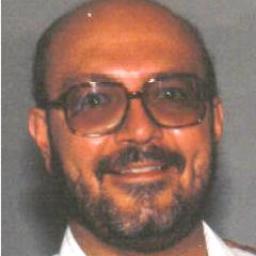
About David
Dr. David Posipanka is a Pennsylvania Licensed Professional Counselor (LPC) with 30 years of experience helping people manage stress, anxiety, addictions, parenting concerns, depression, and life transitions. He focuses on practical ways to cope when routines shift or responsibilities change in midlife.
His approach centers on listening first and helping people put words to their experience. Sessions involve plain talk about what is happening now, what patterns keep repeating, and small steps someone can try between appointments. He uses ideas from cognitive behavioral therapy and mindfulness to address anxious thinking and tough habits.
David also brings existential perspectives when people are reassessing meaning, work, or relationships. Those conversations name difficult choices and clarify values so decisions feel less vague. Motivational interviewing is used when someone is ambivalent about change, including with substance use or other addictive behaviors.
He has worked across settings for three decades, including situations that touch on aging, chronic illness, and fatherhood concerns. He talks through guilt, shame, abandonment issues, and problems with impulsivity in clear, unvarnished language.
Appointments are straightforward and goal-oriented. People who come with practical problems leave with concrete ideas to try. For someone in their 40s to 60s reassessing work, parenting, or health, David offers steady clinical experience and direct, actionable guidance.
How therapeutic approaches translate to online sessions
Client-Centered Therapy is built on attentive listening and reflecting back what someone says, which helps people feel understood and clarifies immediate goals. This approach supports midlife concerns about work, parenting, and shifting roles by focusing on what matters to the individual now.Cognitive Behavioral Therapy (CBT) helps identify unhelpful thoughts and small behavior changes that reduce anxiety and depression. It is practical for managing stress, changing patterns around substance use, and breaking cycles of worry that come up during major life transitions.
Finding the right approach is part of the work. The therapist will collaborate with each person to decide whether client-centered listening, CBT, or existential questions fit best. That choice is guided by the person’s goals, day-to-day needs, and what feels most useful in early sessions.
Confirm the current session options before booking, as formats are not specified here. Online work can make it easier to fit appointments into a busy schedule, allow shorter check-ins when needed, and let people join from a quieter place without commuting. Discuss format preferences when scheduling so sessions align with practical life demands.
Areas of expertise
Primary focus
Additional focus areas
Therapeutic approaches
Experience
30+ years
Credentials
Pennsylvania
Languages
English
Frequently asked questions
What concerns does he help with?
He helps people address stress, anxiety, addictions, parenting issues, depression, and coping with life changes including aging and divorce.
What is his therapy style?
He uses a client-centered approach with straightforward conversation, combining practical exercises and reflection to solve day-to-day problems.
How much experience does he have?
He has 30 years of professional experience working in a range of clinical settings.
What are his credentials and where is he based?
He is a Licensed Professional Counselor (LPC) licensed in Pennsylvania.
Does he work in languages other than English?
Sessions are offered in English.
Can people outside the United States work with him?
He accepts international clients, so people outside the U.S. can inquire about working together.
How are sessions paid for?
Cost varies by location; sessions use a subscription that can be canceled at any time.
How do I begin a first session?
Use the See online therapy options button, complete a short matching questionnaire, and schedule a first session.
Before a first session
- Check that the state license on record covers the state you live in.
- Pick one thing to start with. A whole account of everything that has changed is not needed.
- A profile shows the topics a counselor lists; it is not a diagnosis or a promise of results.
If you feel unsafe right now, call or text 988, or call 911.