- Client-Centered Therapy
- Cognitive Behavioral Therapy
- DBT and Mindfulness
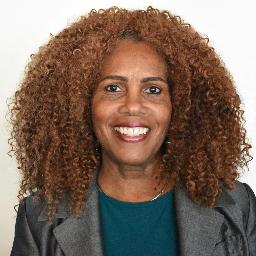
About Cynthia
Cynthia Rumford-Jones is a Licensed Clinical Social Worker (LCSW) in California with 22 years of clinical experience. She works with stress, anxiety, anger, low self-esteem, depression, and coping with life changes, and lists relationship and family concerns among her focus areas. Cynthia also addresses trauma and abuse, grief, eating concerns, parenting challenges, bipolar disorder, and ADHD.
Her practice favors clear, practical conversations that break big problems into manageable steps. She uses Client-Centered Therapy to follow each person's priorities and Cognitive Behavioral Therapy to identify unhelpful thoughts and try new behaviors. Dialectical Behavior Therapy and Mindfulness strategies are part of her toolbox when people need skills for emotion regulation and staying present.
Cynthia has a Master of Social Work (MSW) from the University of California, Berkeley and a long history in public and personal human services. That background informs her work with adoption and foster care issues, blended family concerns, parenting and fatherhood questions, and complex family-of-origin patterns.
She also works with people facing divorce and separation, communication and commitment problems, issues around control and impulsivity, and the shame or guilt that can follow trauma or loss. Eating and food-related issues are another area she addresses alongside grief and long-term mood challenges.
Cynthia frames therapy as a collaborative process. Together she and the person set structured goals and practical steps. Her approach aims to help people move through midlife transitions with clearer choices and more usable coping skills.
Therapeutic approaches and working online
Client-Centered Therapy focuses on listening and following what matters most to the person, helping them set priorities and make practical choices. Cognitive Behavioral Therapy (CBT) looks at patterns of thought and behavior and uses straightforward techniques to test and change unhelpful habits. Dialectical Behavior Therapy (DBT) adds skills for managing intense emotions and improving interpersonal effectiveness, which can be useful for anger, impulsivity, and relationship strain.Choosing the right approach is part of the work together. The therapist will discuss goals, preferences, and what feels most helpful, and then try methods that fit the person's needs. This is a collaborative process and adjustments are made as progress is reviewed.
Session formats are not specified in the provided biography, so confirm current options before booking. Online sessions can make it easier to fit meetings into a busy day, shorten travel time, and allow check-ins during work breaks or between appointments. Some formats use less bandwidth or do not require video, which can help on days that call for a shorter or quieter session. Ask about specific session types when selecting your appointment so you can plan what works best for your schedule and goals.
Areas of expertise
Primary focus
Also works with
Additional focus areas
Therapeutic approaches
Experience
22+ years
Credentials
California
Languages
English
Frequently asked questions
What concerns does she address?
She works with stress, anxiety, anger, low self-esteem, depression, grief, trauma and life changes, including relationship and family issues.
What is her therapeutic style?
Her approach is collaborative and practical, using client-centered methods alongside CBT, DBT, mindfulness, motivational interviewing, and solution-focused techniques.
How much experience does she have?
She has 22 years of clinical experience as an LCSW and additional background in social work and human services.
What are her credentials and location?
She is an LCSW licensed in California and practices from that state.
Which languages are supported?
Sessions are offered in English.
Can international clients work with her?
She does not accept international clients at this time.
How are sessions paid for?
Cost varies with location and sessions use a subscription that can be canceled at any time.
How do I begin a first session?
Select the See online therapy options button, complete the short matching questionnaire, and schedule your first session.
Before a first session
- Check that the state license on record covers the state you live in.
- Pick one thing to start with. A whole account of everything that has changed is not needed.
- A profile shows the topics a counselor lists; it is not a diagnosis or a promise of results.
If you feel unsafe right now, call or text 988, or call 911.