- Stress and anxiety
- Substance use conversations
- Mindfulness and CBT
About Catherine
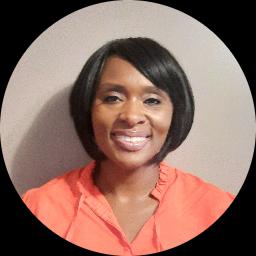
Catherine Brenen is a Licensed Master Social Worker (LMSW) practicing in Michigan with 16 years of experience in mental health care. She works with people facing stress, anxiety, depression, substance use, relationship struggles, trauma, grief, and challenges that come with aging. Catherine uses a straightforward style that focuses on practical conversation and problem solving.
She draws on client-centered work and cognitive-behavioral ideas to help people spot unhelpful patterns and try small changes. Dialectical behavior ideas and mindfulness practices are used when clients need tools for emotional regulation and staying present. Motivational interviewing is applied for conversations about substance use and making life changes.
Catherine frames sessions around respect and positive regard. She avoids judgment and fear-based approaches. Her work aims to help people talk through what matters, set doable goals, and make steady steps forward when life feels stuck.
In practice she blends solution-focused conversation with psychodynamic thinking when deeper patterns come up. That means short-term strategies can sit alongside exploration of how past experiences shape current choices. Sessions are conversational and practical, with skills coaching when useful.
She also attends to caregiver stress, blended family concerns, intimacy and communication challenges, and decision points around work or aging parents. People looking for straightforward, goal-oriented therapy that still allows for deeper reflection may find her approach fitting.
How her approaches translate to online work
Client-Centered Therapy focuses on listening and reflecting back what matters to the client. It helps people clarify priorities and feel understood while deciding what to change. Cognitive Behavioral Therapy (CBT) breaks problems into thoughts, feelings, and actions and teaches simple skills to test new behaviors and reduce distress. Dialectical Behavior Therapy (DBT) offers practical emotion-regulation and interpersonal skills for strong emotions and difficult relationships.Choosing the right approach is a collaborative process. Catherine will discuss goals and preferences, try methods that fit the situation, and adjust the plan as progress is made. Together she and the client look for what feels useful rather than relying on a single method.
Session formats are not listed in the biography, so confirm available online options before booking. Online work can make sessions easier to fit into a packed week, allow shorter check-ins when needed, and reduce travel time. It can also let people use practices such as mindfulness exercises or behavioral experiments in their everyday environment. Ask about session length and any technical or scheduling details when you arrange the first appointment.
Areas of expertise
Primary focus
Also works with
Additional focus areas
Therapeutic approaches
Experience
16+ years
Credentials
Michigan
Languages
English
Frequently asked questions
What kinds of problems does she address?
She works with stress, anxiety, depression, substance use, trauma, grief, relationship and intimacy issues, and life changes related to aging.
How would you describe her therapeutic style?
Her style is conversational and goal-oriented, using respectful, nonjudgmental dialogue and practical skills to address current problems.
How much experience does she have?
Catherine has 16 years of experience as a mental health provider in clinical practice.
What are her credentials and where is she based?
She is an LMSW (Licensed Master Social Worker) practicing in Michigan.
Does she work in languages other than English or with international clients?
Sessions are offered in English. She is not currently accepting international clients.
What session formats does she offer?
Session formats are not specified here; please confirm current session options before booking.
How does pricing work?
Cost varies with location and sessions use a subscription that can be canceled at any time.
How do I begin working with her?
Select the See online therapy options button, complete a short matching questionnaire, and schedule your first session.
Before a first session
- Check that the state license on record covers the state you live in.
- Pick one thing to start with. A whole account of everything that has changed is not needed.
- A profile shows the topics a counselor lists; it is not a diagnosis or a promise of results.
If you feel unsafe right now, call or text 988, or call 911.