- Client-centered methods
- Cognitive behavioral work
- Gottman-informed skills
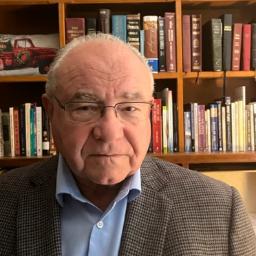
About Bruce
Rev. Bruce Carpenter is an LPC (Licensed Professional Counselor) in Texas with 11 years of clinical experience. He focuses on relationships, trauma and abuse, grief, parenting, self-esteem, stress, anxiety, depression, and coping with life changes. He also addresses caregiver stress, codependency, first responder issues, and men's concerns.
He draws on experience from ministry, counseling education, and work in child advocacy. He earned a Master of Divinity from Brite Divinity School at Texas Christian University and a Master of Education in Counseling from the University of North Texas, Dallas. He has worked part-time at a Child Advocacy Center with children, teens, and non-offending adult caregivers and has volunteered in veterans' PTSD work.
His practical background includes years as an Emergency Medical Technician and volunteer chaplain work with ambulance services. That hands-on experience informs how he approaches crisis, trauma, and compassion fatigue. He has also completed training related to trauma-focused approaches and Gottman Method levels I and II.
In sessions he listens for patterns that keep a person stuck and looks for concrete ways to reduce symptoms and improve daily functioning. He uses client-centered methods alongside cognitive-behavioral and trauma-focused techniques to address unhelpful thoughts and reactions. Gottman-informed strategies are used when relationship issues are a main concern.
People often work with him to sort through grief, rebuild trust after infidelity, manage anger, or find clearer life purpose in midlife. He combines practical skills, reflective conversation, and experience from faith-based and emergency-response settings to support progress and steadier daily living.
How his approaches translate to online work
Client-centered therapy focuses on listening and supporting the person's own goals. In practice this looks like open questions, reflective listening, and helping someone clarify what matters most to them, which can be helpful for midlife concerns like life purpose or parenting stress.Cognitive Behavioral Therapy (CBT) looks at thoughts, feelings, and behaviors to find practical changes that reduce anxiety and depression. It involves simple exercises and thought records to practice between sessions and is often useful for stress, sleep disruption, and low mood.
Trauma-focused therapy addresses responses that follow traumatic events. It aims to reduce distressing reactions and build more manageable ways of coping with memories and triggers, which is useful after abuse, disaster exposure, or first responder experiences.
Finding the right approach is part of the work. He will discuss options and help decide which methods fit a person's goals and circumstances. That decision is collaborative and may shift as therapy progresses.
If you want to use online sessions, confirm the available session formats when you book. Confirming the format helps match timing, whether you need shorter check-ins, prefer not to be on camera, or want a longer focused hour. Online work can make it easier to fit sessions into a busy life and keep continuity when schedules or locations change.
Areas of expertise
Primary focus
Also works with
Additional focus areas
Therapeutic approaches
Experience
11+ years
Credentials
Texas
Languages
English
Frequently asked questions
What concerns does he address?
He works with relationship problems, trauma and abuse, grief, parenting challenges, self-esteem, stress, anxiety, depression, and coping with life changes.
What is his therapeutic style?
He uses a client-centered approach combined with cognitive-behavioral and trauma-focused methods. He also draws on Gottman-informed techniques for relationship work.
How much clinical experience does he have?
He has 11 years of professional counseling experience, including part-time work at a Child Advocacy Center and volunteer roles with veterans and emergency services.
What are his credentials and where is he based?
He is an LPC, Licensed Professional Counselor, practicing in Texas.
Does he work in languages other than English?
Sessions are offered in English.
Can international clients connect with him?
He accepts international clients; check session options when scheduling to confirm logistics.
How are sessions scheduled and what about cost?
Cost varies with location; sessions use a subscription that can be canceled at any time.
How do I begin the process?
Select the See online therapy options button, complete a short matching questionnaire, and schedule a first session.
Before a first session
- Check that the state license on record covers the state you live in.
- Pick one thing to start with. A whole account of everything that has changed is not needed.
- A profile shows the topics a counselor lists; it is not a diagnosis or a promise of results.
If you feel unsafe right now, call or text 988, or call 911.