- CBT techniques
- DBT skills
- EMDR methods
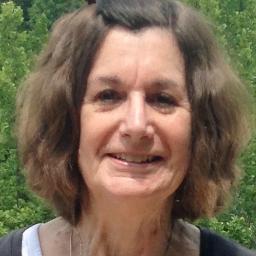
About Barbara
Barbara Vincent is a Licensed Clinical Social Worker (LCSW) in Missouri with 15 years of clinical experience. She lists relationship concerns, self-esteem, bipolar disorder, depression, anxiety, trauma, and coping with life changes among the issues she helps people address.
She has worked in personal and state hospitals and community mental health centers. That background means she is familiar with chronic mental illness and a range of mood and anxiety presentations. She also notes experience with gender identity issues, attachment and abandonment concerns, and domestic violence survivors.
Her stated approach centers on letting the client take the lead. Sessions start with what matters most to the person and then expand into other areas when the client is ready. She writes that the first session begins the process of healing and that therapy should follow the client's priorities.
Barbara uses multiple methods in session. She draws on person-centered work, cognitive behavioral strategies, dialectical behavior skills, and EMDR techniques. She also mentions a multi-sensory way of working so people can express things that are hard to put into words.
In-session work focuses on practical skills and insights people can use right away. Topics she addresses include communication problems, codependency, addiction concerns, grief, intimacy-related issues, sleep and eating difficulties, career strain, and parenting stress. The goal is useful strategies that carry over into everyday life.
How her approaches translate to online work
Attachment-based work focuses on patterns in close relationships. It looks at how early bonds shape current reactions and helps people notice and shift those patterns to feel less stuck. Cognitive Behavioral Therapy (CBT) teaches practical skills to change unhelpful thoughts and behaviors, useful for anxiety, depression, and stress. Eye Movement Desensitization and Reprocessing (EMDR) addresses traumatic memories by pairing focused attention with guided processing to reduce the intensity of past events.Finding the right approach is part of the process. The therapist will discuss your needs, goals, and preferences and suggest which methods to try. Decisions are made together so the work fits what you want to accomplish.
The profile does not list specific session formats, so confirm current online options before booking. Online sessions can make it easier to fit therapy into a busy schedule, reduce travel time, and allow shorter check-ins when needed. They can also let people choose quieter surroundings or a camera-off option if that helps them focus. The therapist uses her stated approaches to adapt to the online setting and to help translate skills and insights into everyday life.
Areas of expertise
Primary focus
Also works with
Additional focus areas
Therapeutic approaches
Experience
15+ years
Credentials
Missouri
Languages
English
Frequently asked questions
What kinds of concerns does she work with?
She lists relationship issues, self-esteem, bipolar disorder, depression, anxiety, trauma and life changes among her focus areas, plus a range of related problems such as codependency, grief, and addiction.
What is her therapeutic style?
She follows a client-centered stance where the client leads sessions and the therapist helps explore other areas when the client is ready.
How much clinical experience does she have?
She has 15 years of clinical experience working in personal and state hospitals and community mental health settings.
What credential does she hold and where is she based?
She is a Licensed Clinical Social Worker (LCSW) licensed in Missouri and practices from that state.
Which languages are supported?
Sessions are offered in English.
Does she work with clients outside the U.S.?
International clients are not currently accepted.
How are fees handled?
Cost varies by location; sessions use a subscription that can be canceled at any time.
How do I begin?
Select the See online therapy options button, complete the short matching questionnaire, and schedule a first session.
Before a first session
- Check that the state license on record covers the state you live in.
- Pick one thing to start with. A whole account of everything that has changed is not needed.
- A profile shows the topics a counselor lists; it is not a diagnosis or a promise of results.
If you feel unsafe right now, call or text 988, or call 911.