- Client-centered methods
- Cognitive behavioral work
- Emotion-focused techniques
About Albert
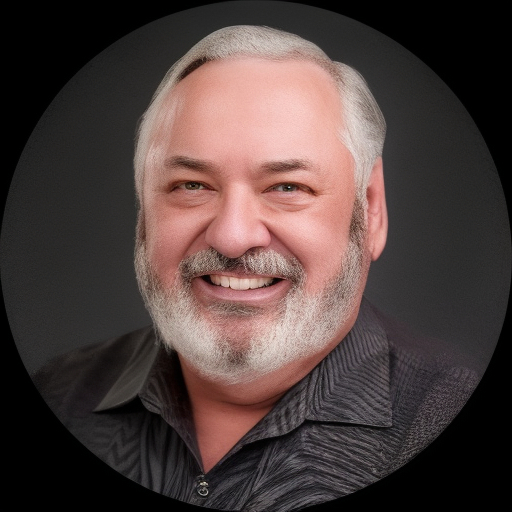
Albert Staley is a Licensed Mental Health Counselor (LMHC) in Washington with four years of clinical experience. He works with stress, anxiety, relationship concerns, trauma and abuse, depression, addictions, grief, parenting strain, and coping with life changes. Albert also helps people facing intimacy-related issues, anger, self-esteem problems, and family-related worries.
He brings a practical, question-driven style to sessions. He uses client-centered and cognitive methods to help people notice patterns and try different responses. He also draws on dialectical ideas and emotionally-focused techniques to address intense feelings and communication problems. Sessions can include straightforward skills work as well as deeper discussion about meaning and values when a client wants that.
Albert has a background in pastoral teaching and apologetics spanning many years, and he says he can include faith-sensitive perspectives if a client requests them. He frames spiritual or existential topics as optional explorations aimed at personal clarity, resilience, and purpose. All religious viewpoints are treated with respect when they are brought into therapy.
In practical terms Albert helps people break larger life challenges into manageable steps. That can mean learning coping skills for anxiety, mapping relationship patterns, or planning how to handle aging parents and changing family roles. He uses clear questions, behavioral experiments, and emotion-focused conversation to move toward better day-to-day functioning.
Clients in midlife may find his mix of concrete skills and meaning-focused discussion useful when reconsidering work, relationships, or life direction. He speaks English and practices in Washington as an LMHC.
Approaches in online sessions and how they help
Albert combines client-centered work with cognitive behavioral therapy and dialectical behavior ideas in online sessions. Client-centered work focuses on listening and reflecting so people can better understand their goals and feelings; it is useful for exploring life direction and relationship concerns. Cognitive behavioral work looks at thoughts and behaviors, and it helps with anxiety, depression, and coping strategies by practicing new responses. Dialectical behavior ideas teach emotion regulation and stress-tolerance skills for intense feelings and conflict.Finding the right mix of approaches is part of the work. Albert will collaborate with each person to decide what fits their needs, goals, and preferences. He can shift between skills training, reflective conversation, and values or meaning-focused discussion depending on what a client requests.
The practical benefits of doing work online include fitting sessions into a busy life and reducing travel time. Specific session formats are not listed in the biography, so confirm current session options before booking. Online sessions can make it easier to schedule shorter check-ins, use video or audio as needed, and maintain regular appointments during caregiving or work demands.
Areas of expertise
Primary focus
Also works with
Additional focus areas
Therapeutic approaches
Experience
4+ years
Credentials
Washington
Languages
English
Frequently asked questions
What kinds of concerns does he address?
He works with stress, anxiety, depression, trauma and abuse, addictions, relationship and family issues, grief, intimacy-related concerns, parenting strain, anger, and coping with life changes.
What is his therapeutic style like?
He blends client-centered conversation with cognitive and emotion-focused techniques, using clear questions and practical skills to address feelings and behaviors.
How much clinical experience does he have?
He has four years of experience as a clinician and also brings many years of pastoral teaching and apologetics experience when clients request faith-sensitive discussion.
What credential and location should I expect?
He is an LMHC licensed in Washington and practices there.
In which language are sessions held?
Sessions are offered in English.
Can I work with him from another country?
He does not accept international clients at this time.
How are sessions paid for?
Costs vary with location and sessions use a subscription that can be canceled at any time.
How do I begin a first session?
Use the See online therapy options button, complete a short matching questionnaire, and schedule a first session.
Before a first session
- Check that the state license on record covers the state you live in.
- Pick one thing to start with. A whole account of everything that has changed is not needed.
- A profile shows the topics a counselor lists; it is not a diagnosis or a promise of results.
If you feel unsafe right now, call or text 988, or call 911.